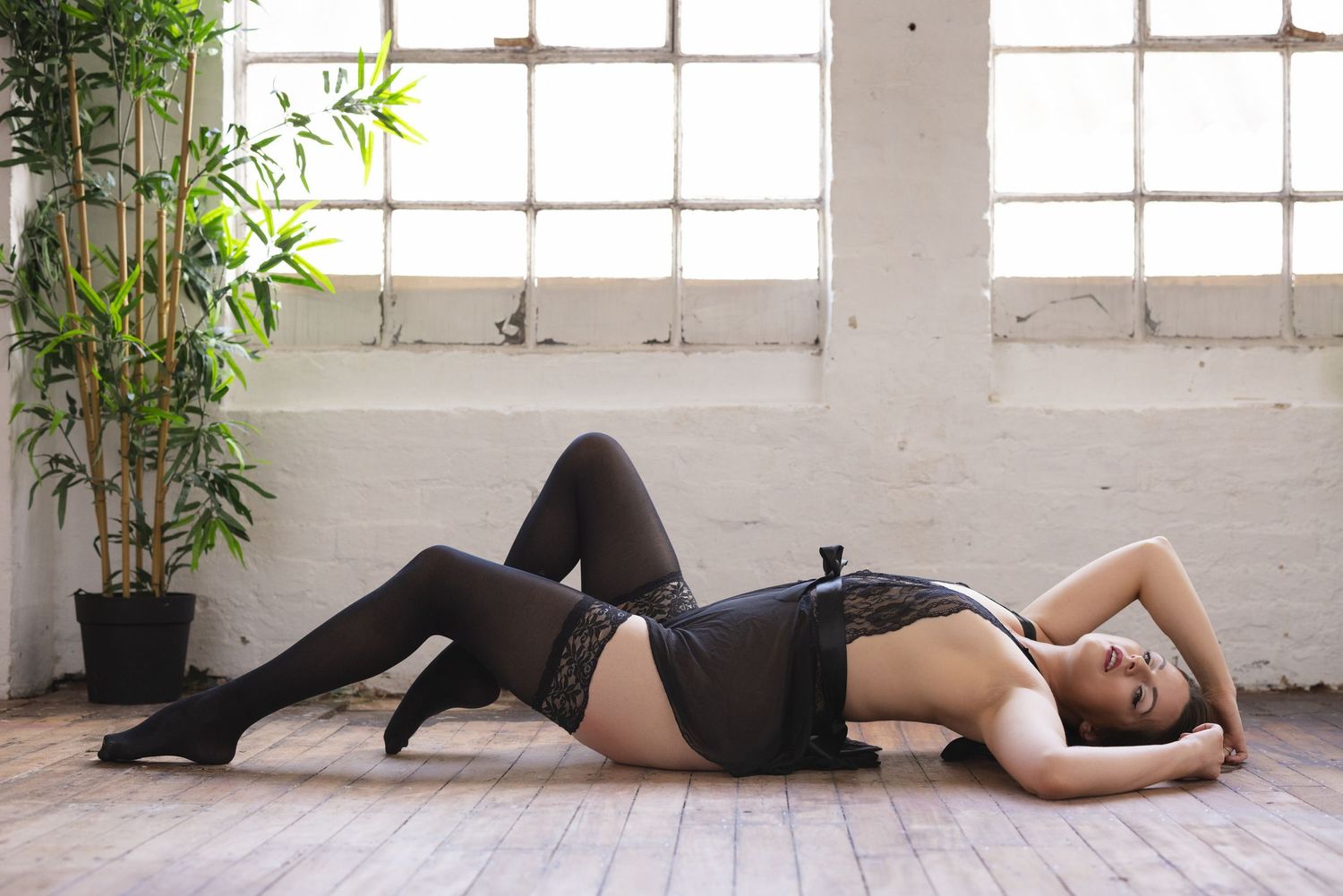
What should you do before a boudoir photoshoot?
Updated: 26th August 2026
The short answer: choose a few outfits you genuinely feel good in, avoid doing anything dramatic to your skin or hair at the last minute, bring more options than you think you’ll need and tell me about any nerves, injuries or boundaries before we start.
You do not need to panic-buy half of Ann Summers, practise sultry expressions in the bathroom mirror or somehow become confident overnight.
Most people I photograph have never done anything like this before. Feeling nervous is normal. Knowing exactly what to expect makes the whole thing considerably less daunting, which is why I’ve put together this honest, practical guide.
You can also download my free boudoir shoot prep guide and keep the full checklist handy.
Start with the shoot you actually want
There is no single correct version of boudoir.
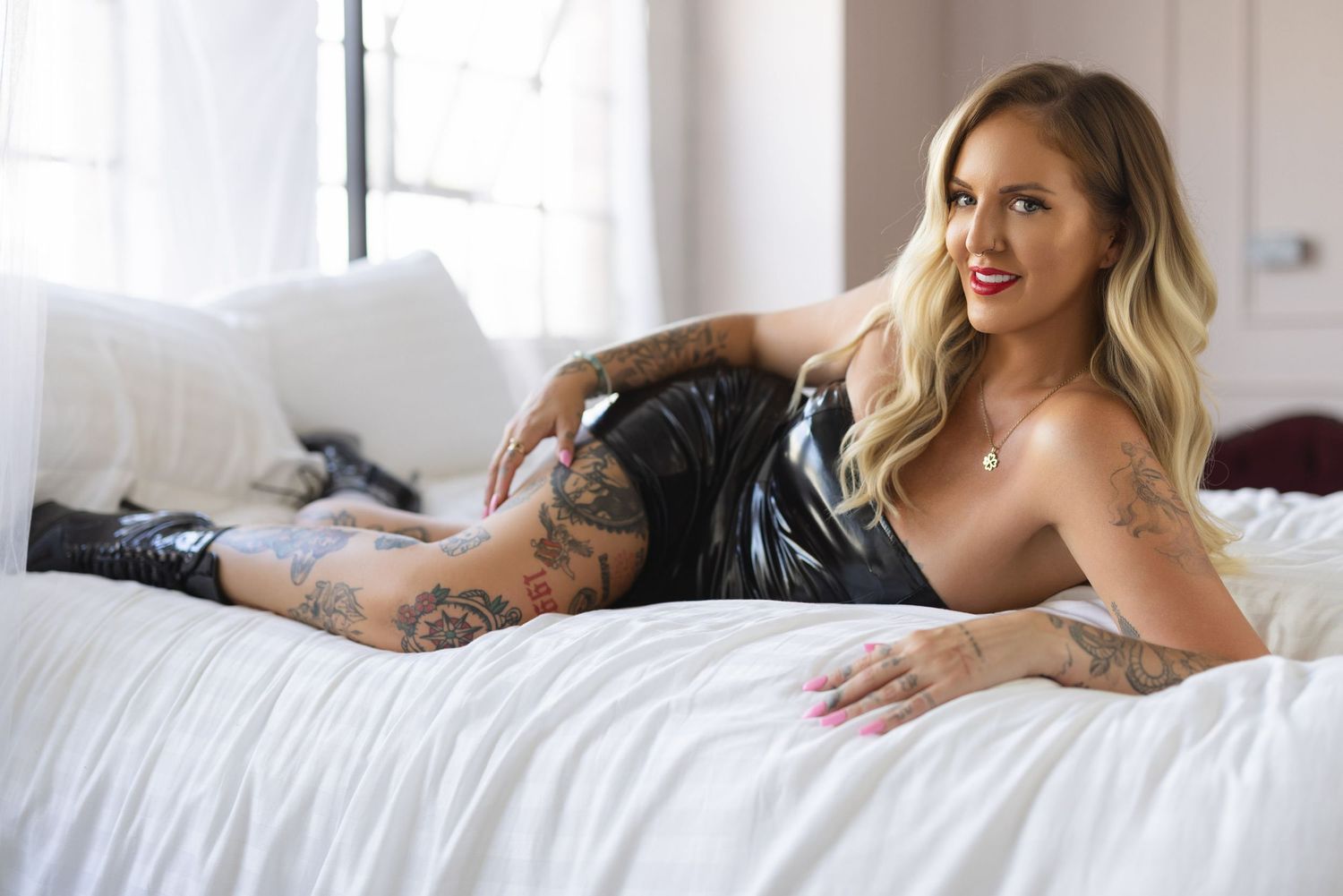
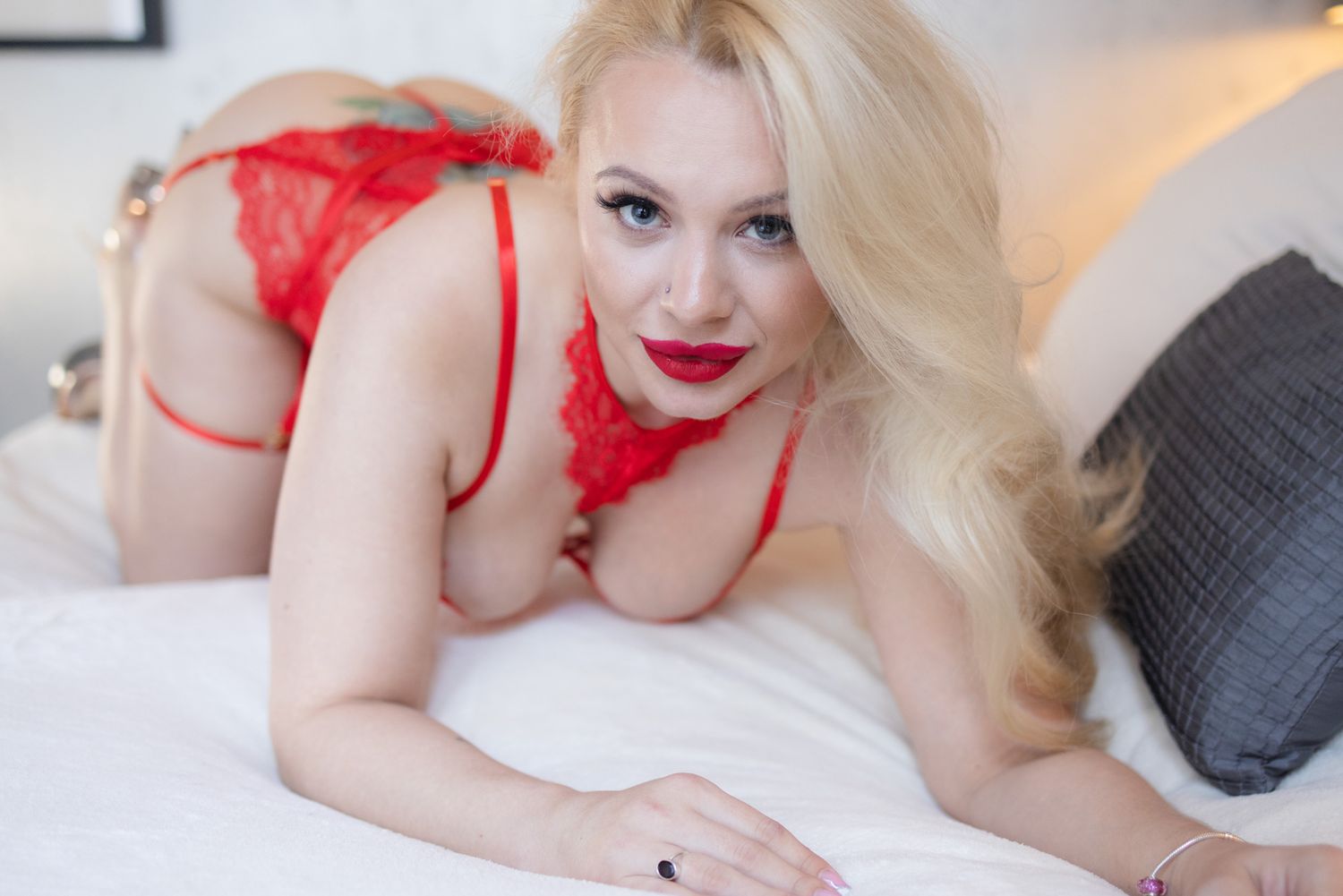
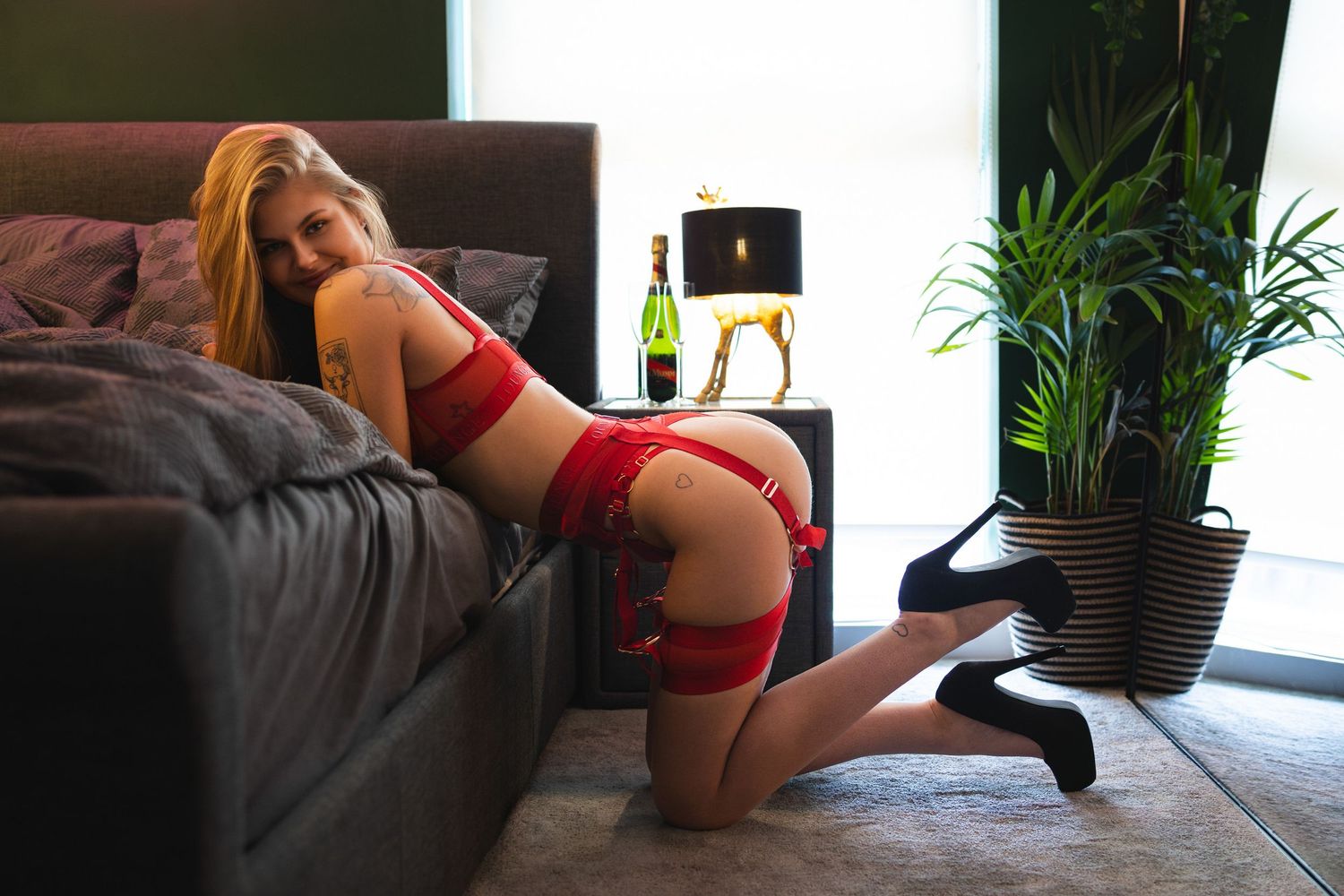
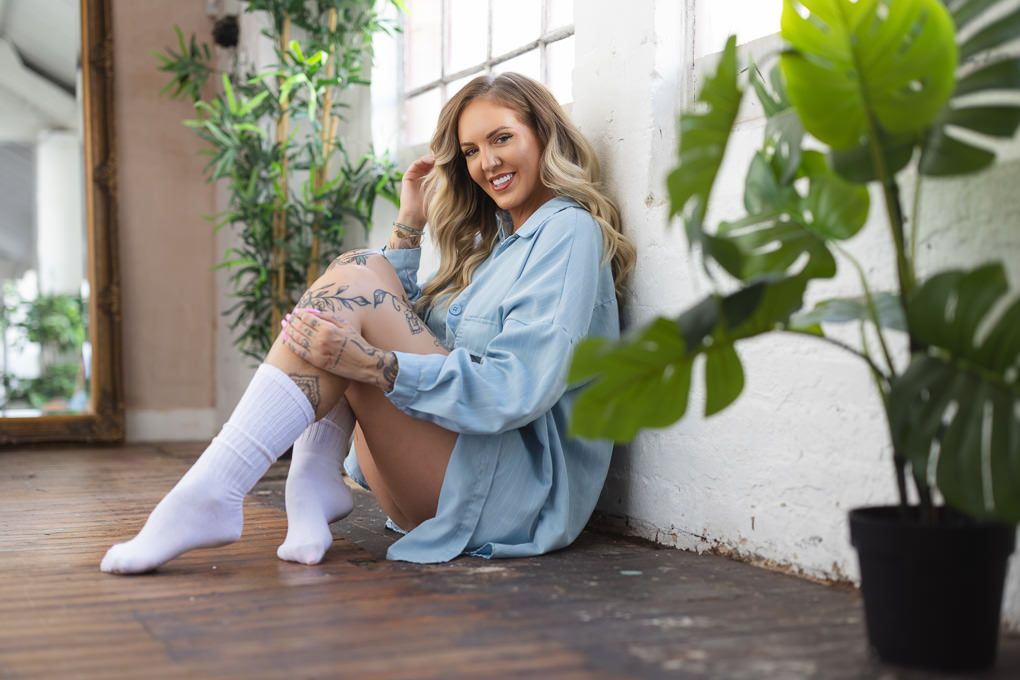
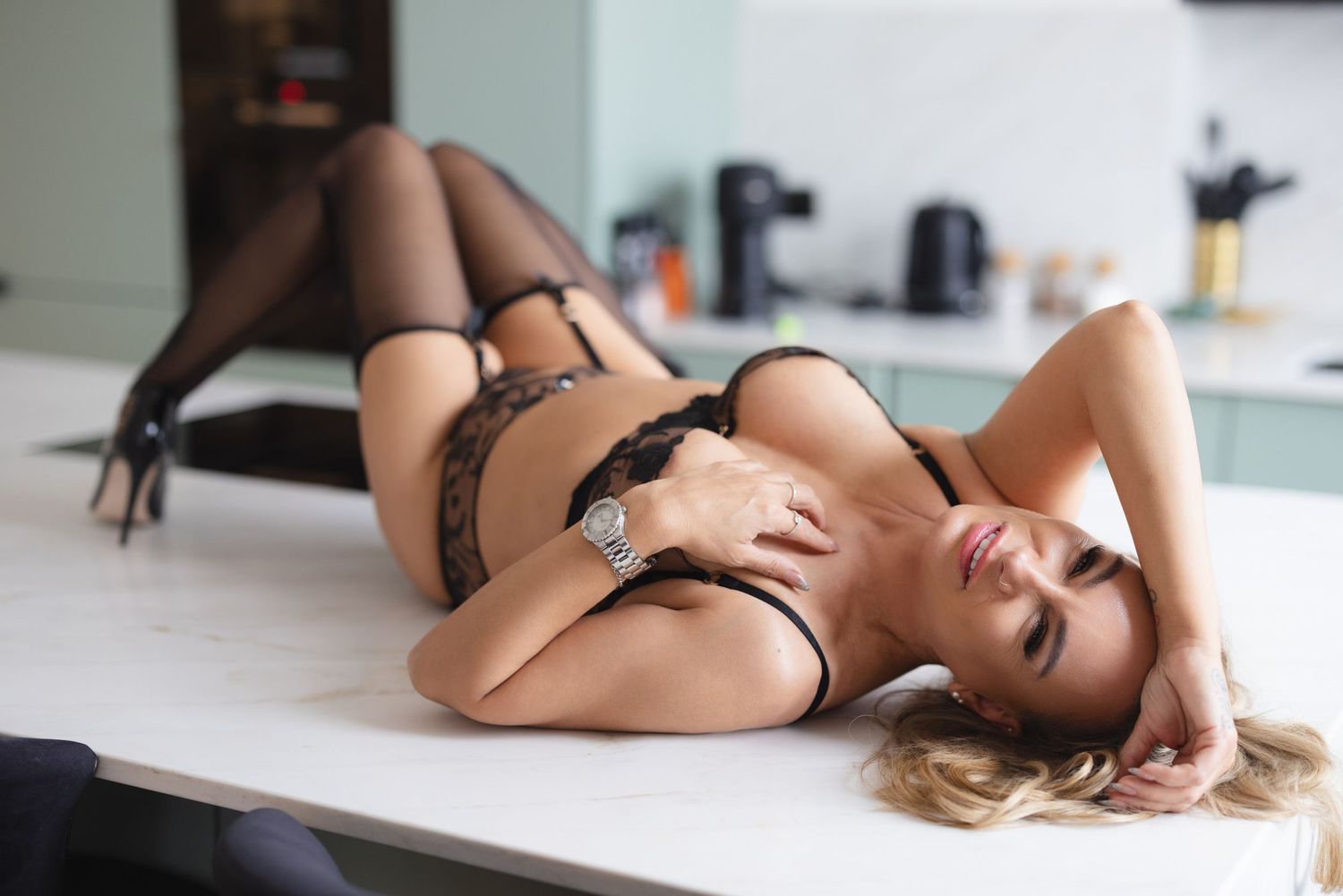
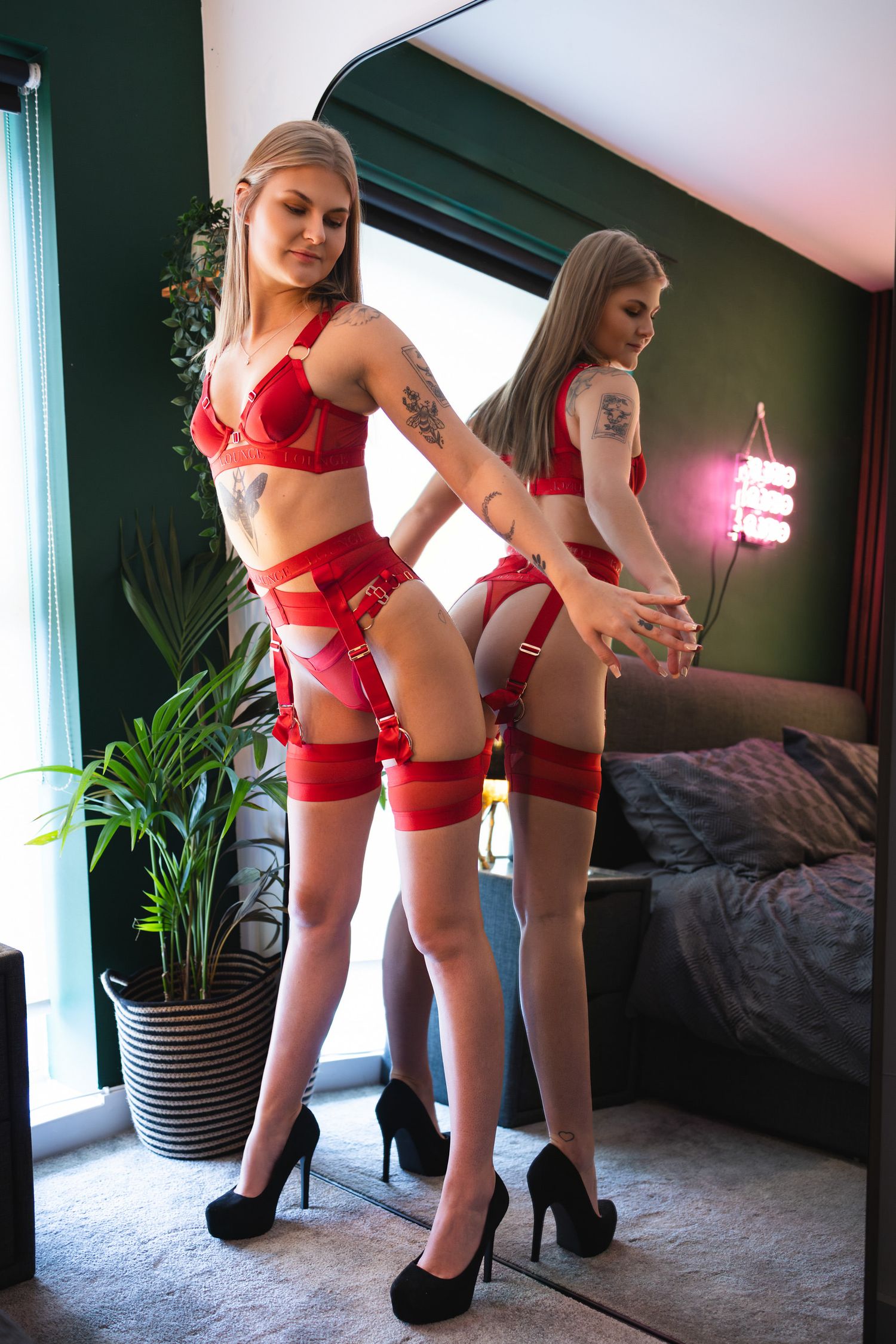
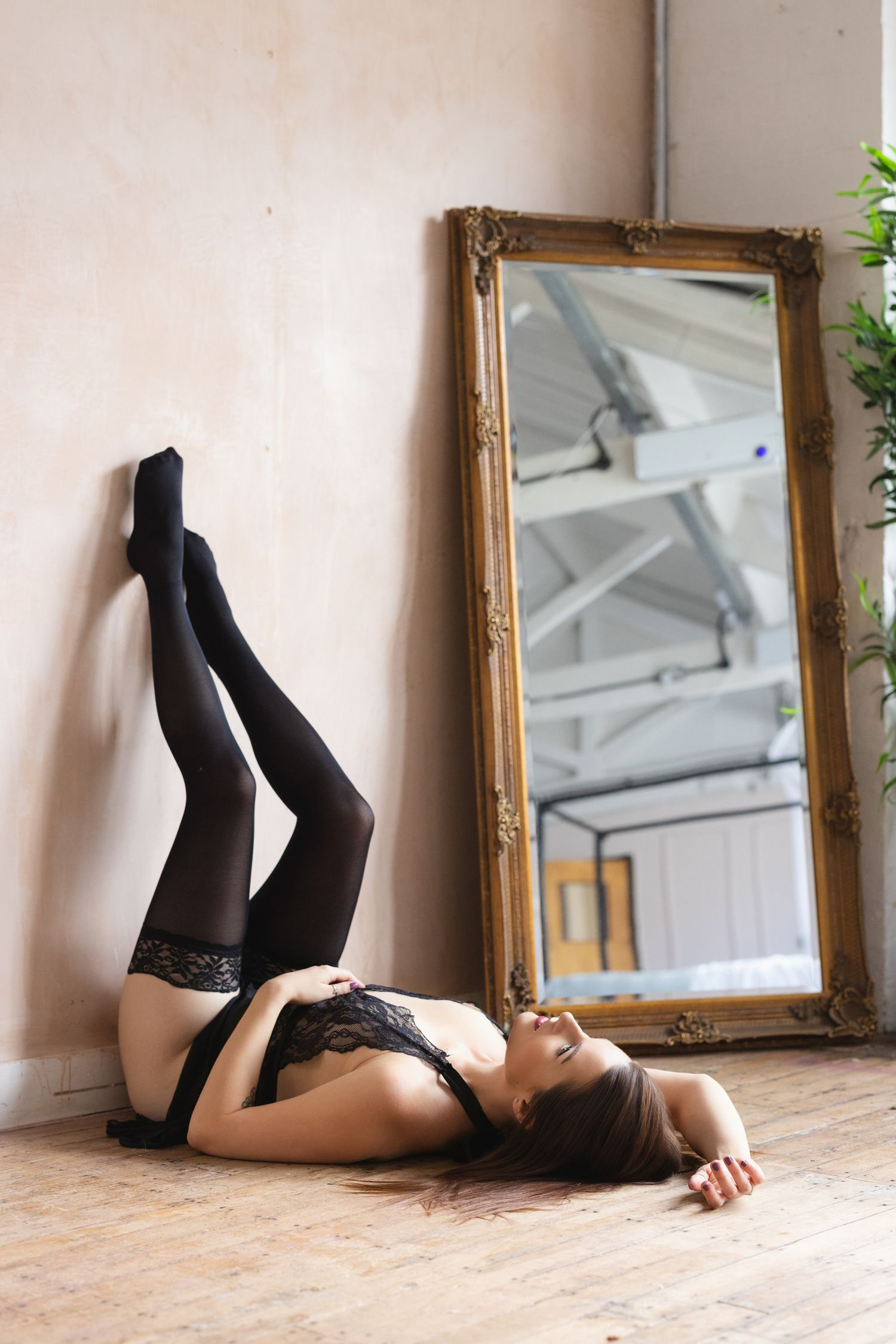
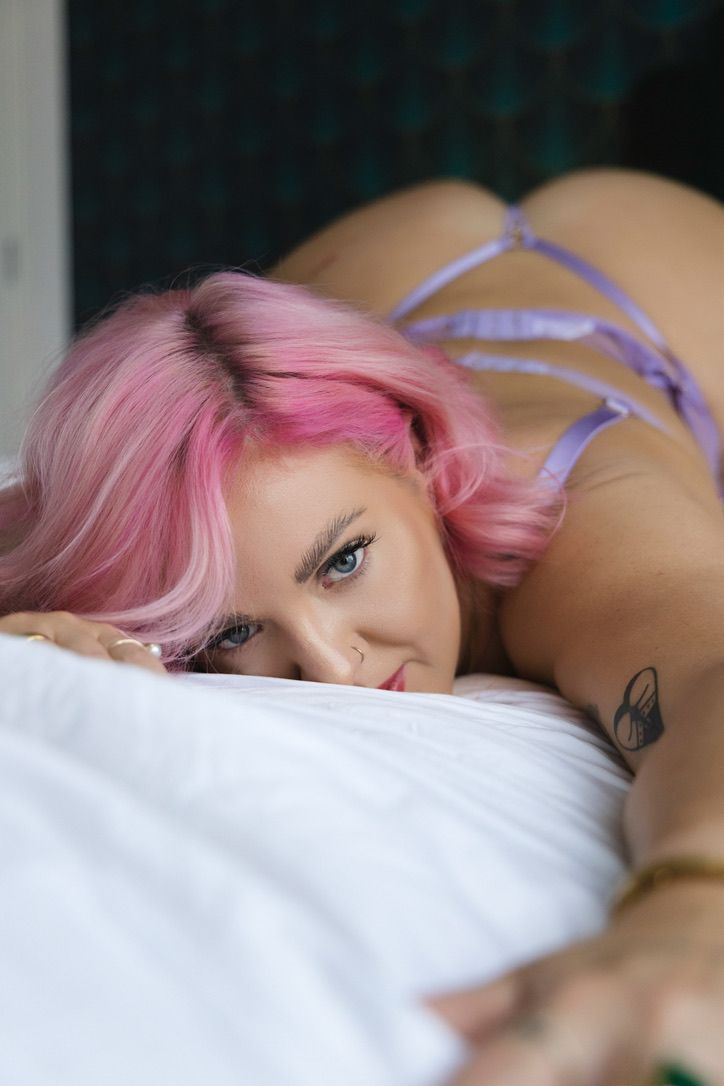
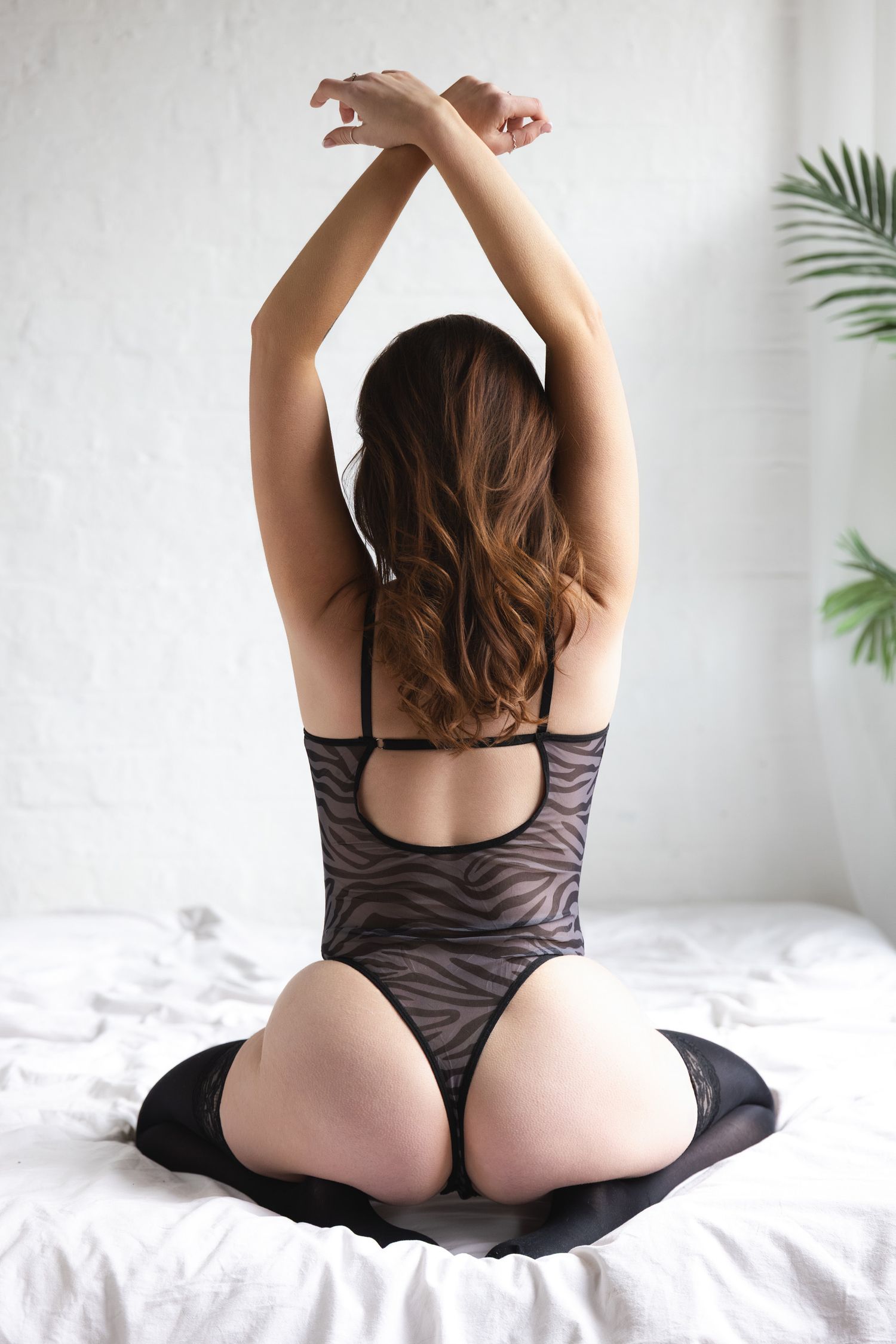
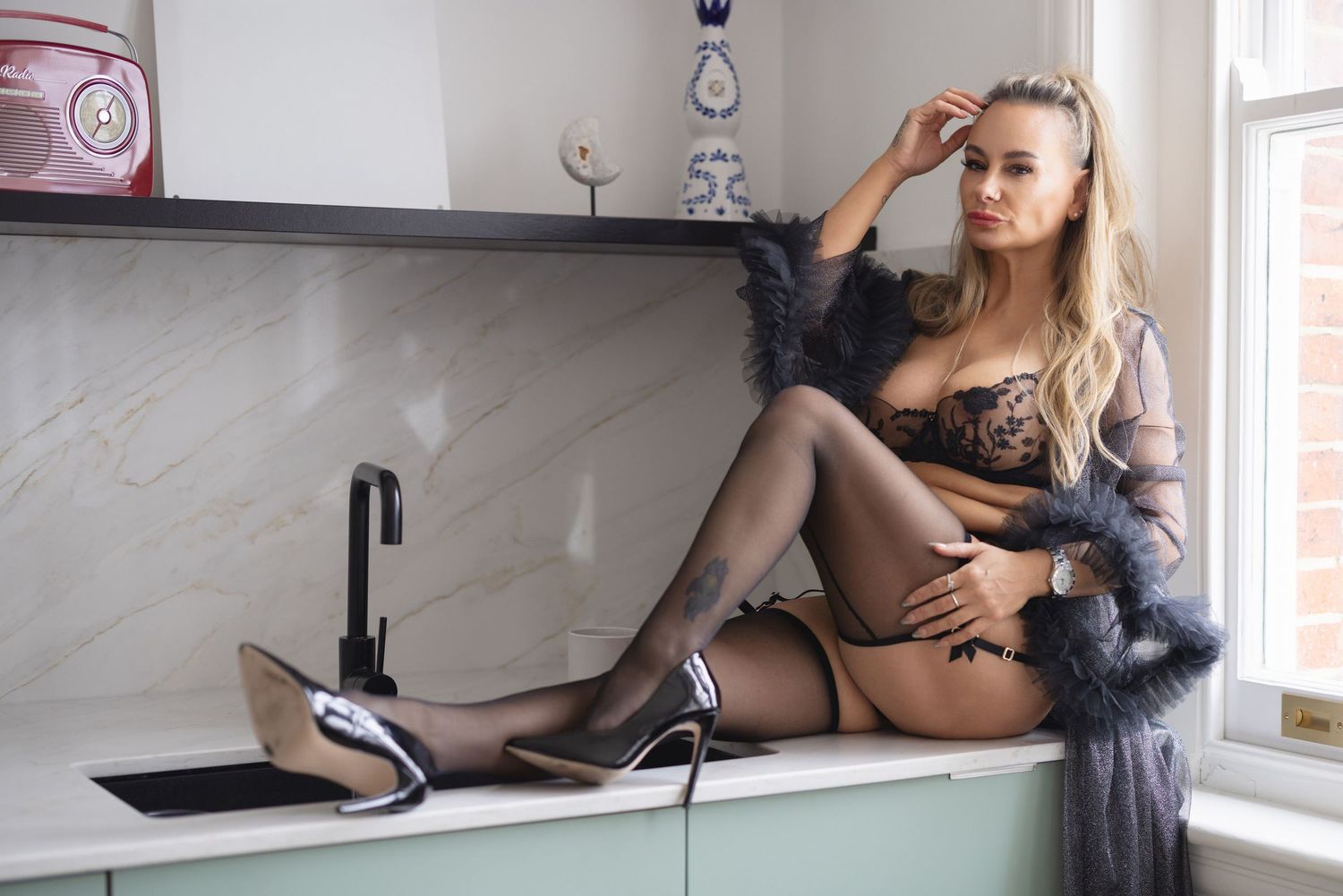
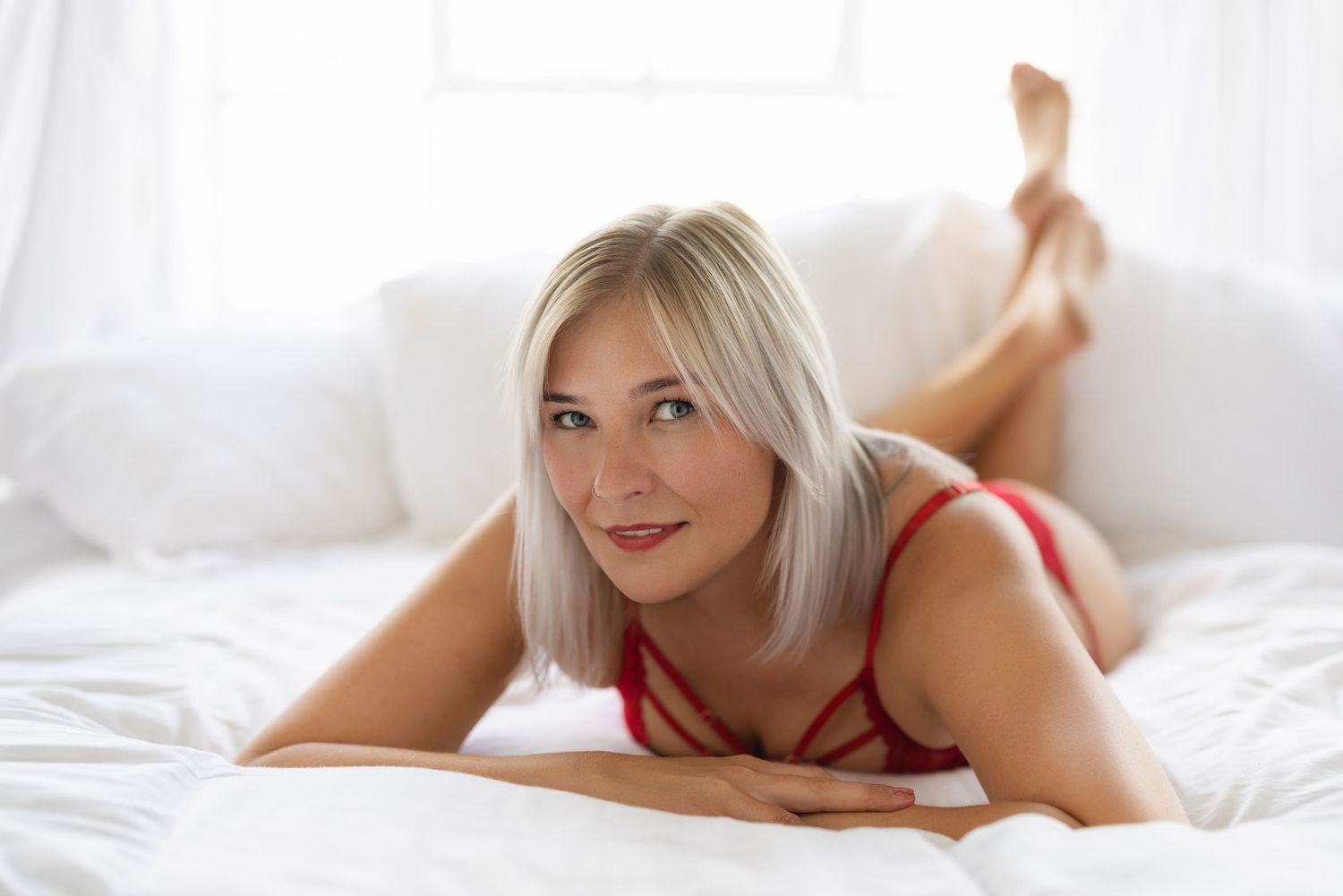
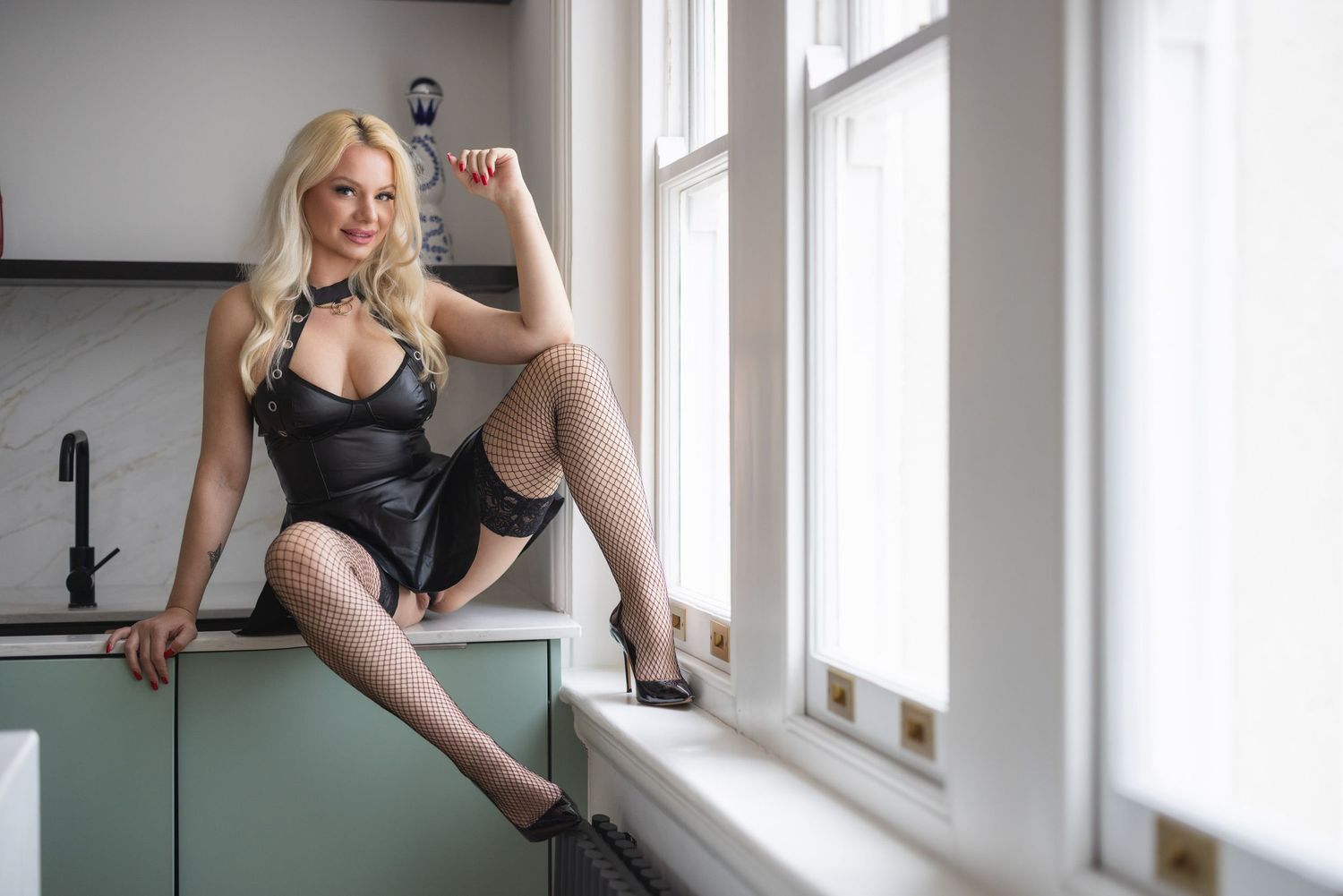
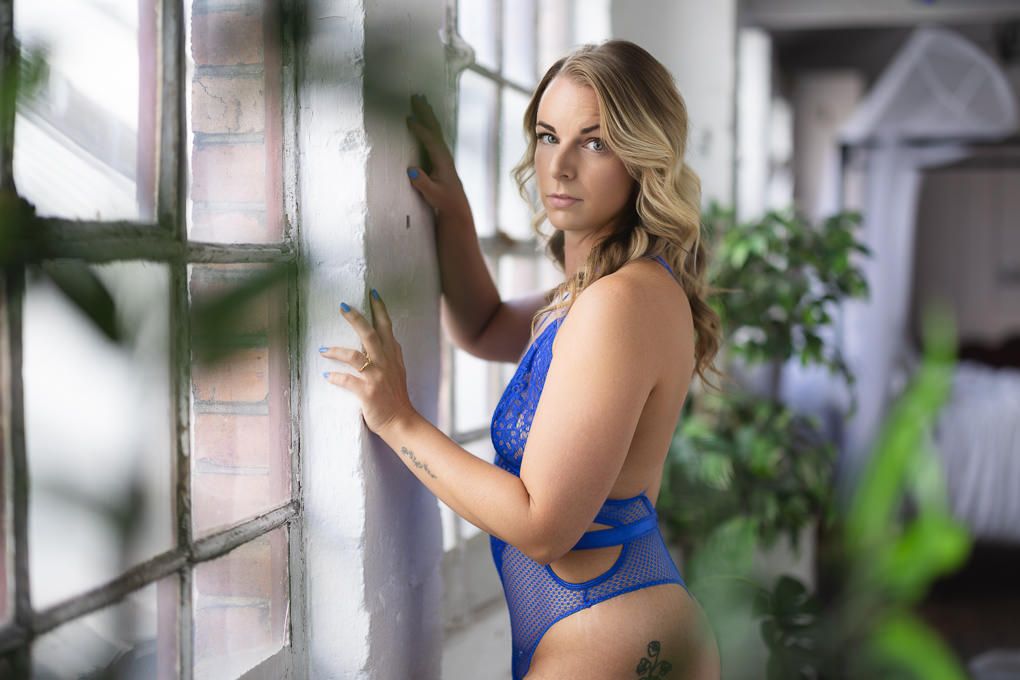
Your shoot could be soft and natural, dark and moody, playful, alternative, confidently glamorous or considerably more daring. It should feel like you, not like you are trying to copy somebody else’s Pinterest board.
Reference images can help, but think of them as a way to explain the mood, styling or lighting you like. We are not going to copy somebody else’s body, pose and photograph frame for frame.
Have a look through my boudoir photography work and save anything that catches your eye. You can also send ideas from elsewhere, even if you cannot quite explain what you like about them.
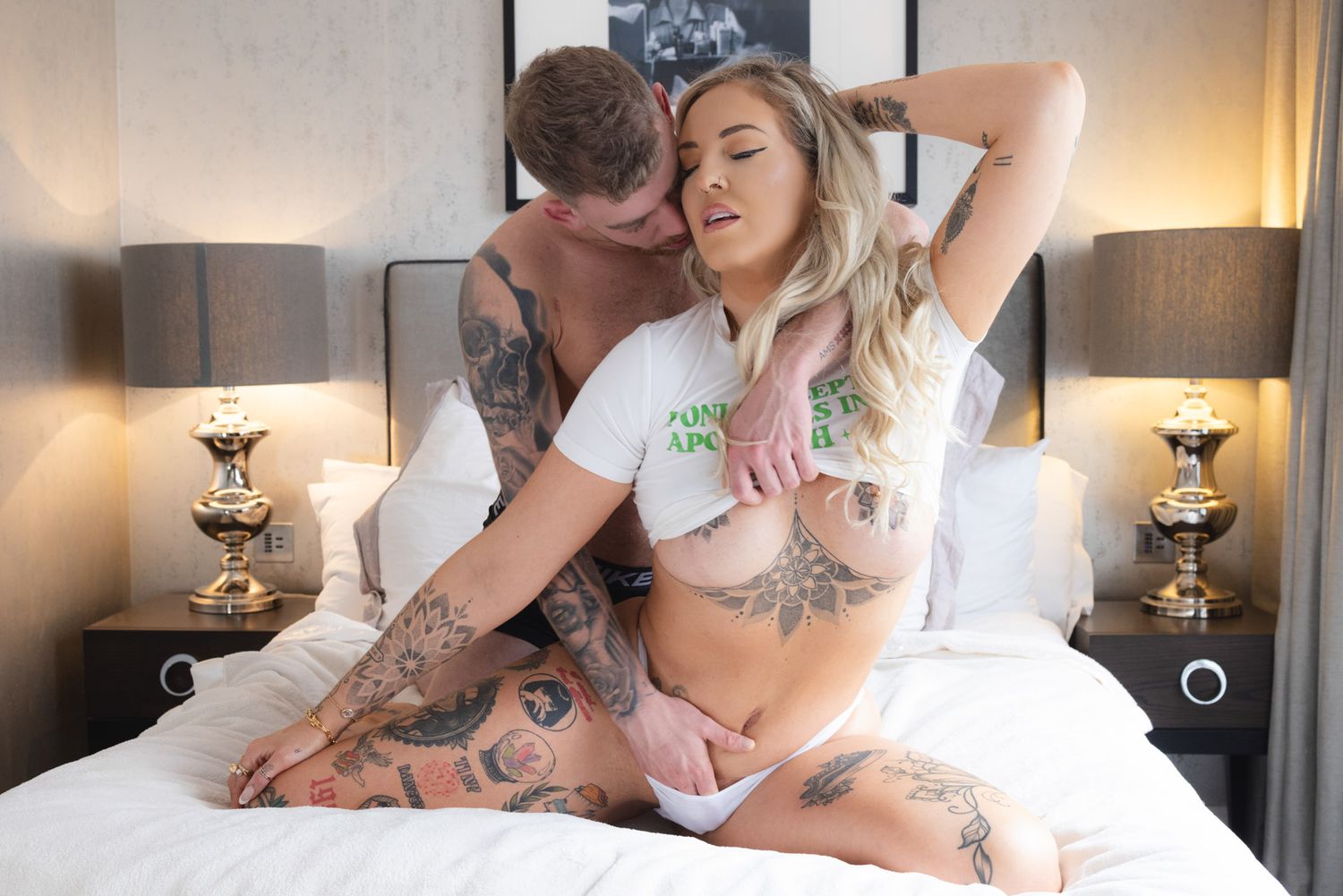
If you are planning something more erotic or explicit, be clear about what you want and what you do not want. Nothing is assumed simply because you have booked that style of shoot. We will discuss boundaries beforehand, and you can change your mind at any point.
What should you wear for a boudoir photoshoot?
Wear something that makes you feel good when you put it on.
That might be lingerie, but it does not have to be. Bodysuits, oversized shirts, robes, leather jackets, dresses, knitwear, stockings or something meaningful from your own wardrobe can all work brilliantly.
A useful starting point is:
- One outfit you already know you feel confident wearing
- One simple option, such as a black or nude set
- One bolder look that feels slightly outside your usual comfort zone
- A robe, shirt or jacket that gives us another layer to work with
- A few accessories, such as jewellery, stockings or heels
Bring a couple of extra options if you have them. We can look through everything together and decide what works best with the location, lighting and style of the shoot.
Try everything on beforehand. If something digs in, needs constant adjusting, or makes you feel self-conscious, leave it at home. An expensive outfit isn't automatically a good outfit, and the camera doesn't care what the label says.
Steam or iron anything that creases. Fixing a folded collar or badly crumpled shirt before the shoot is much easier than trying to rescue it afterwards.
How should you prepare during the week before your shoot?
You do not need a punishing beauty regime. A few sensible things will make the day easier:
- Drink plenty of water and get a decent night’s sleep
- Moisturise regularly, but avoid heavy oils immediately before the shoot
- Avoid experimenting with unfamiliar skincare treatments
- If you plan to shave, wax or trim, do it 24 to 48 hours beforehand so any redness has time to settle
- Avoid applying fresh fake tan during the final 48 hours
- Keep nails clean and tidy, whether polished or natural
- Check that your outfits fit comfortably and remove any labels that might show
- Tell me about any injuries, sensitive areas or movements you need to avoid
Please do not starve yourself, dehydrate yourself or try to change your body for the shoot. Eat normally. The aim is to arrive feeling well, comfortable and able to enjoy yourself.
Professional hair and makeup are not essential. If you are doing your own, choose something that still feels recognisably you, and bring anything you need for quick touch-ups. If you would prefer a makeup artist, speak to me beforehand so we can plan it properly.
What should you bring to a boudoir shoot?
Here is the practical packing list:
- Your chosen outfits, plus one or two alternatives
- Black and nude underwear
- Heels, boots or other footwear if they suit your idea
- Jewellery and accessories
- A robe, oversized shirt or other cover-up
- Makeup, powder, a hairbrush and anything needed for touch-ups
- Personal items or props that help tell your story
- Reference images showing the mood you like
- Any specific outfits or props needed for content creation
Keep everything together in one bag if possible. Turning up with six carrier bags and no idea where the matching stocking has gone is not the calm start either of us wants.
If you are unsure whether something will work, bring it. We can make that decision together.
What should you do on the day?
Wear loose, comfortable clothing to the shoot. Tight bras, socks, jeans and waistbands can leave marks on your skin that take time to disappear.
Arrive with your hair and makeup ready unless we have agreed something different. Eat beforehand, drink some water, and allow far more travel time than you think you need.
Aim to be at the studio or waiting in the car park at least 15 minutes early. You don't need to come inside until your booked time, but being nearby means traffic, parking, or Google Maps sending you around the houses will not leave you rushing through the door.
Your session starts at the agreed time. If you arrive late, that time comes out of your shoot, especially when I have hired a studio for a fixed slot, or another client is booked afterwards. I cannot always extend the session, so arriving early gives you time to breathe, settle yourself and start the experience properly.
A small drink to settle your nerves may be fine, but do not rely on alcohol to get through the shoot. You need to be fully present, comfortable and able to make clear decisions. If alcohol begins affecting the shoot, your safety or your ability to follow direction, we will pause or stop.
When you arrive, we will go through your outfits, talk about the style you want and agree where to begin. We can put on some music, start gently, and build from there.
What happens when you arrive?
We do not rush you straight in front of the camera.
Lucie (if present) and I will explain how the session will progress, look through your outfits, answer any last-minute questions, and check that you are comfortable with everything we have planned. Lucie attends most shoots and is brilliant at helping people feel relaxed and supported.
We will pour you a glass of prosecco if you would like one, put on some music, and ease into the session rather than expecting you to perform from the first frame.
Many clients worry they will be too nervous, but those nerves usually disappear surprisingly quickly. Once we give you clear guidance and you realise you are not expected to know how to pose, the whole thing starts to feel much more natural.
If you want to see how the rest of the session works, read my honest behind-the-scenes guide to a boudoir shoot.
Is preparation different for couples or erotic shoots?
Practical preparation is much the same whether you have booked a solo boudoir shoot, a couples session or something more explicit. The main differences are the outfits, the style you want to create and the boundaries we agree beforehand.
Do you need to practise posing?
No.
You are not expected to arrive knowing what to do with your hands, where to look or how to position every part of your body. Guiding you through that is my job.
I will help with posture, movement, expressions and small adjustments throughout the session. Nothing needs to be perfect on the first attempt. We will try things, make changes and keep the poses that feel right for you.
If you are curious, you can read my separate boudoir and sensual posing guide, but you absolutely do not need to memorise it. Also, if you fancy taking your own photos, my at-home boudoir posing guide gives you eight simple positions to start with.
Your boundaries and privacy come first
Before we begin, tell me if there is anything you don't want photographed, any part of your body you feel particularly conscious about, or any type of pose you want to avoid.
You can pause, change direction or say no at any point. That does not make the shoot awkward or difficult. Clear communication makes it better.
I may occasionally suggest adjusting a strap, piece of clothing or section of hair. I will respect your preference if you would rather make those adjustments yourself.
Your finished images are delivered through a private, password-protected gallery. I don't share anything from your shoot on my website, social media, or anywhere else without your clear permission.
You can find fuller answers about privacy, posing, companions and the booking process in my boudoir photography FAQs.
Quick boudoir photoshoot preparation checklist
Before leaving home, check that you have:
- Tried on and packed your outfits
- Steamed anything that creases
- Packed black and nude underwear
- Added shoes, jewellery and accessories
- Brought makeup and hair products for touch-ups
- Eaten something and had some water
- Chosen loose clothing for the journey
- Saved any useful reference images
- Told me about injuries, concerns or boundaries
- Allowed enough time to arrive without rushing
That is it. You do not need to arrive transformed into a professional model. You just need to arrive as yourself.
Still feeling nervous?
Good. That means you are human.
Most people feel nervous before their first boudoir shoot. The important part is that you will not be left standing in front of the camera wondering what the hell you are supposed to do.
You can see how a real Northampton boudoir session moved from nerves to confidence.
If you are still unsure, get in touch and tell me what is making you hesitate. I will give you a straight answer, without pressure or a hard sell.
Boudoir photoshoot preparation FAQs
How many outfits should I bring?
Two to four good options are usually plenty, although it is worth bringing a couple of alternatives. We will choose the strongest looks together rather than trying to photograph everything.
Do I need professional hair and makeup?
No. Many clients prefer doing their own because they already know what makes them feel comfortable. If you would like a makeup artist, ask beforehand so it can be arranged properly.
Can I bring someone with me?
Yes, you can bring one supportive friend or partner if that helps you feel more comfortable. Let me know in advance. They are there for support rather than directing the shoot.
What if I feel nervous on the day?
That is completely normal. We will talk first, start gently and build things up at your pace. You do not need to force confidence before you arrive.
Will my photographs be shared online?
Not without your clear permission. You decide whether any images can be used publicly, and keeping the entire shoot private is completely fine.
Do I need to know exactly what kind of boudoir shoot I want before getting in touch?
Not at all. You might already have a clear idea, a few reference images or absolutely no clue where to start. Tell me what you are drawn to and what you feel comfortable with, and I’ll help shape the shoot around you.
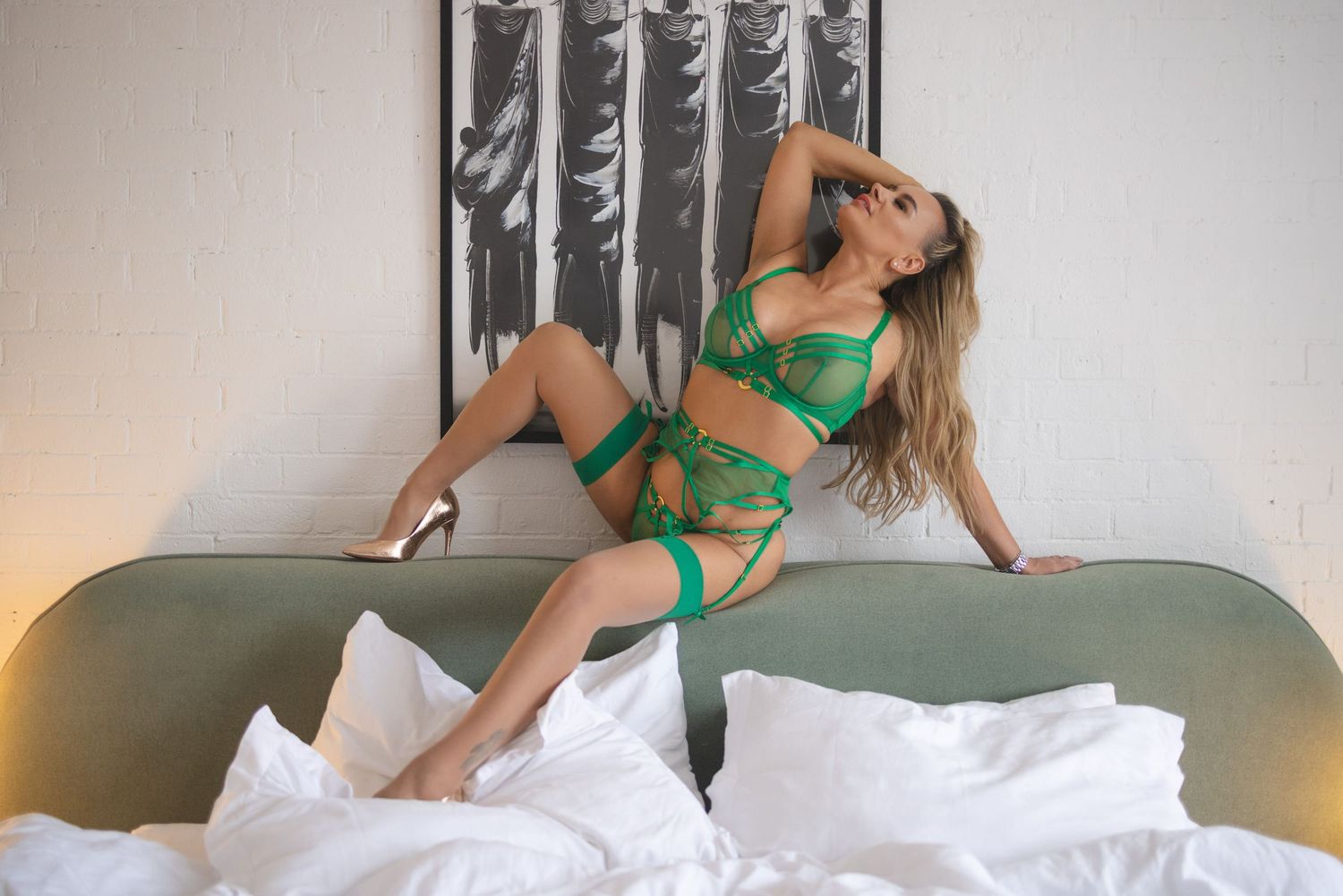
Thinking about booking a boudoir shoot?
If you have not booked yet and still have questions, that is completely normal. You can view my boudoir portfolio and current prices or get in touch to talk through your ideas.
You do not need to know exactly what you want before contacting me. Tell me what you are considering, what is making you hesitate and whether you are thinking about a solo, couples or shared shoot. I will explain the options and give you an honest answer about what is likely to suit you.
About Lee Charlton