Four solo poses, four couples poses and how to photograph them without looking stiff
Updated: 26 August 2026
You do not need modelling experience or a secret stash of perfect poses to take good boudoir photographs at home.
Start with a comfortable position, make small changes and keep moving. Do not twist yourself into one rigid shape and desperately hold it while waiting for the timer to go off.
Whether you are photographing yourself with a phone or asking your partner to take the pictures, think in sequences rather than individual poses. One starting position can produce loads of different photographs with a few changes to your hands, expression, posture and eye line.
Here are four solo poses and four couples poses that give you plenty to work with.
How do you pose if you are not a model?
Start by taking the pressure off yourself.
You are not expected to instinctively know where to put your hands, how to angle your body or what expression to make. Most people do not.
A pose is only the starting position. From there, look towards the camera, look away, move your hands, adjust your clothing or shift your weight slightly.
If you are taking your own photographs, use a timer, remote shutter or video so you can move without having to keep getting up. My guide to taking boudoir photos at home with your phone covers the camera setup in more detail.
Why should you build poses into a sequence?
Holding one pose while staring at the camera will usually make you look increasingly uncomfortable.
Start with a basic position and build from there. You might look toward the camera, look away, adjust your clothing, run a hand through your hair, or shift your weight from one side to the other.
If your partner is taking the photographs, ask them to keep shooting while you move. If you are alone, video can be easier than trying to time one perfect photograph.
It also stops the whole thing feeling like a strange game of boudoir statues.
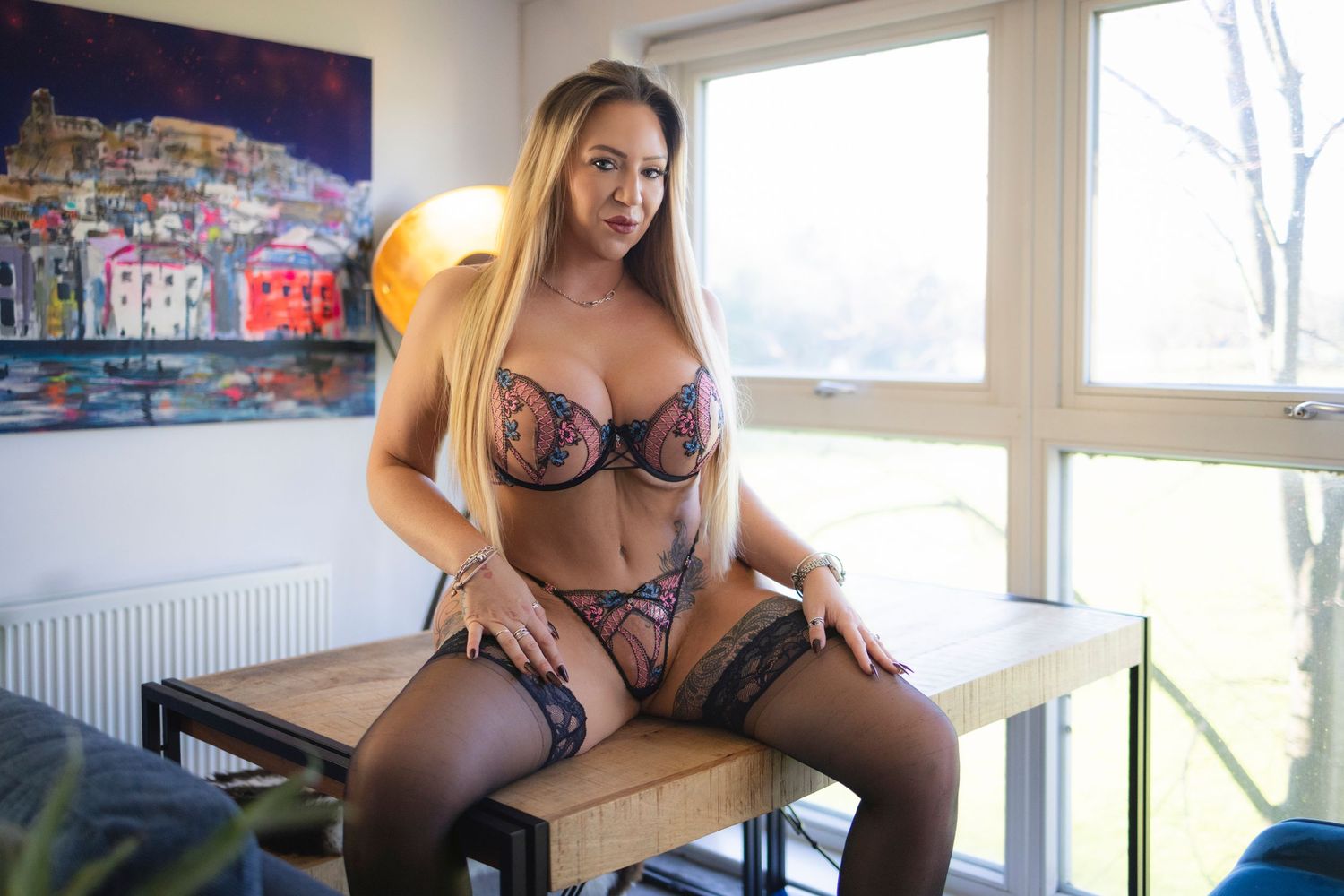
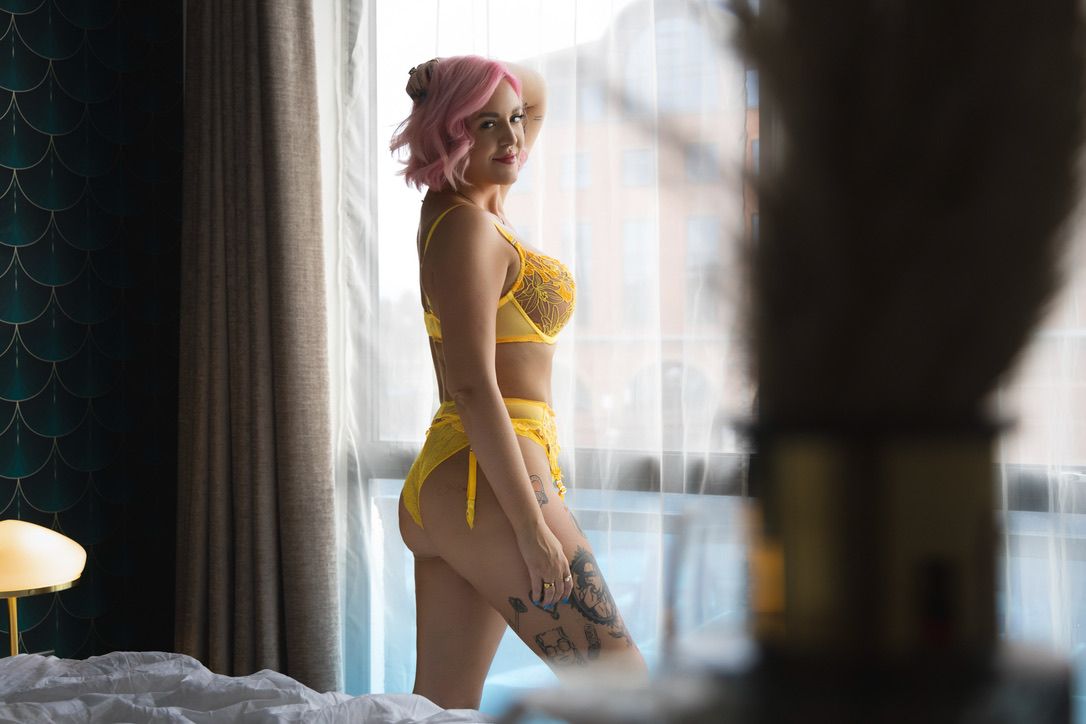
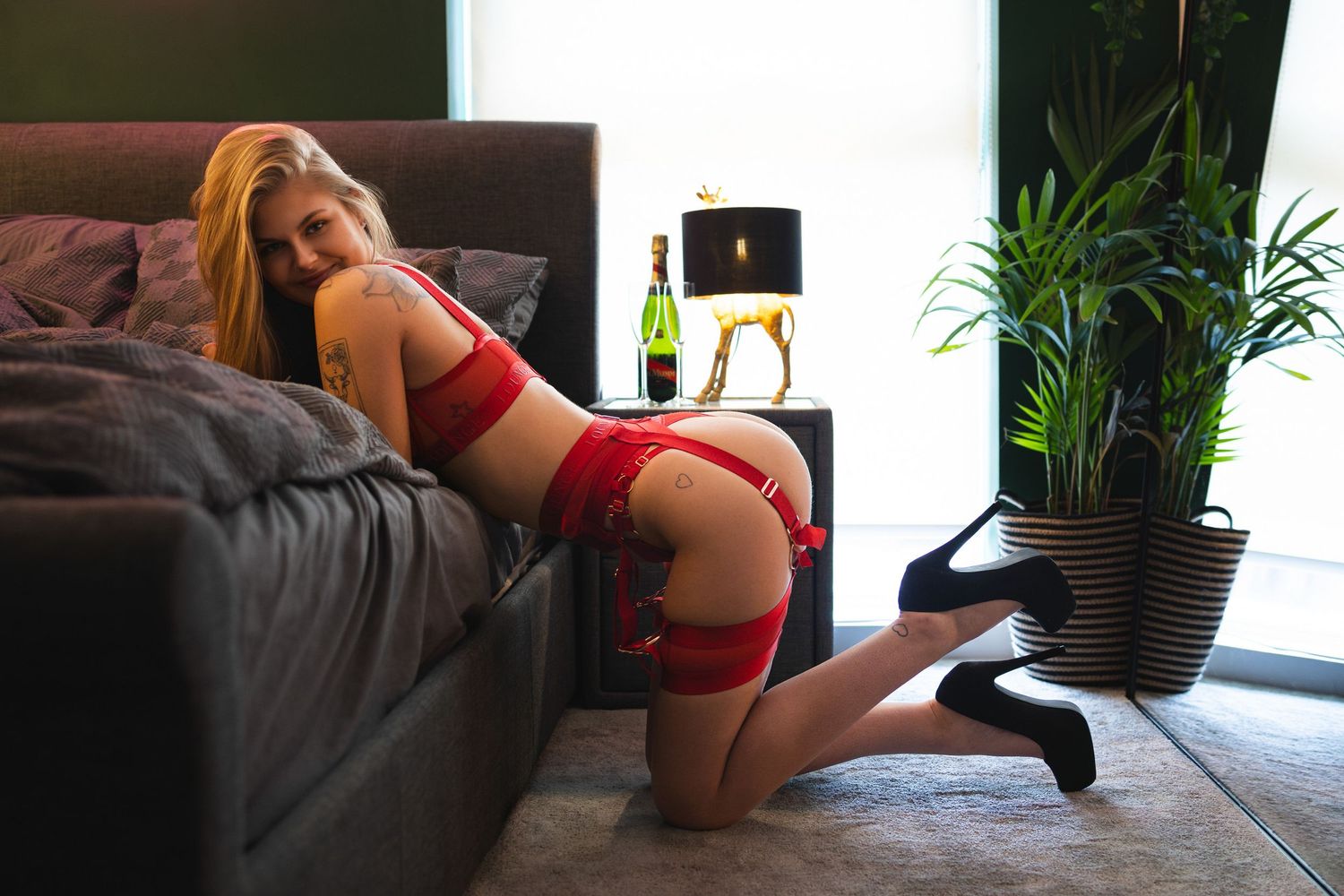
Four solo boudoir poses to try at home
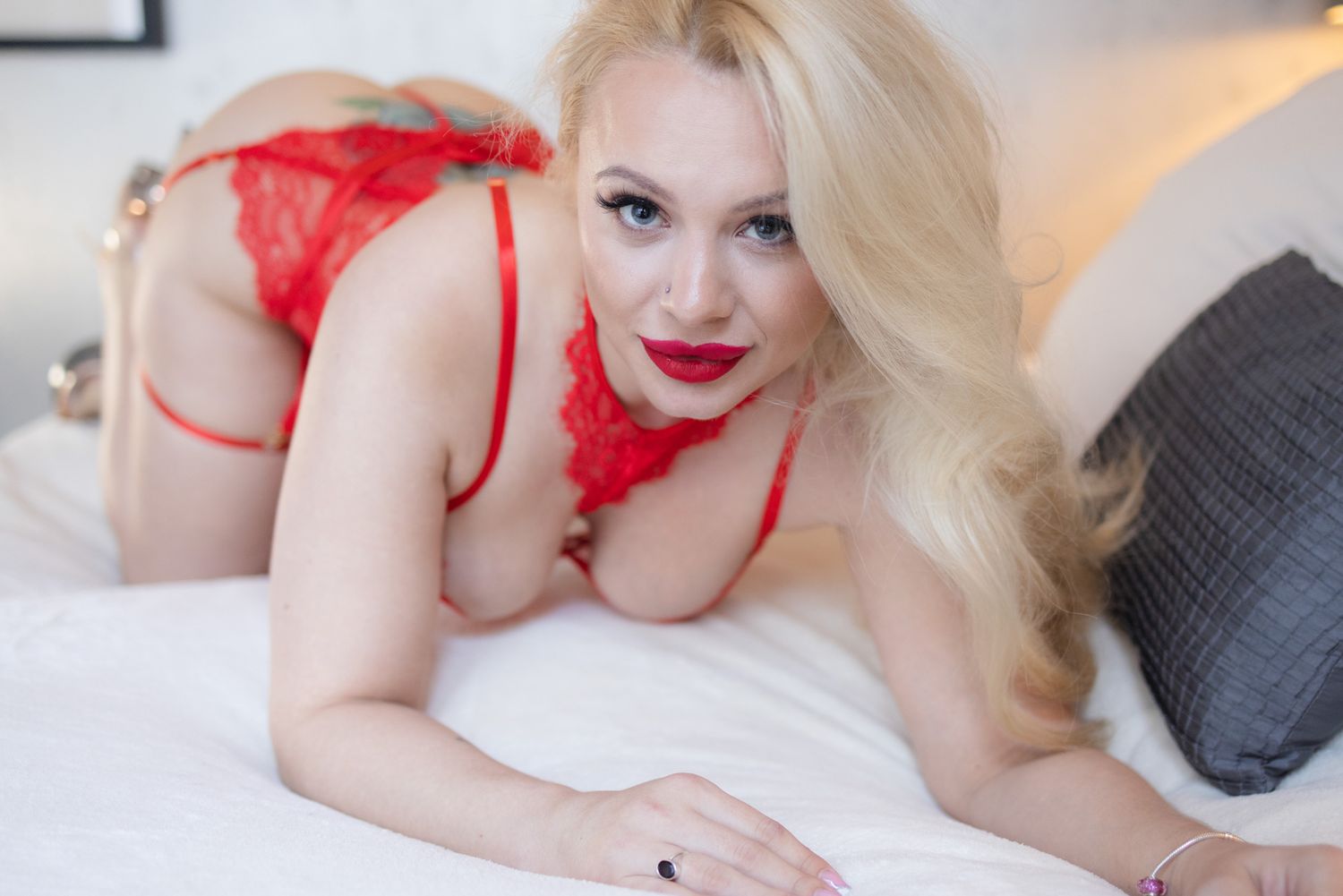
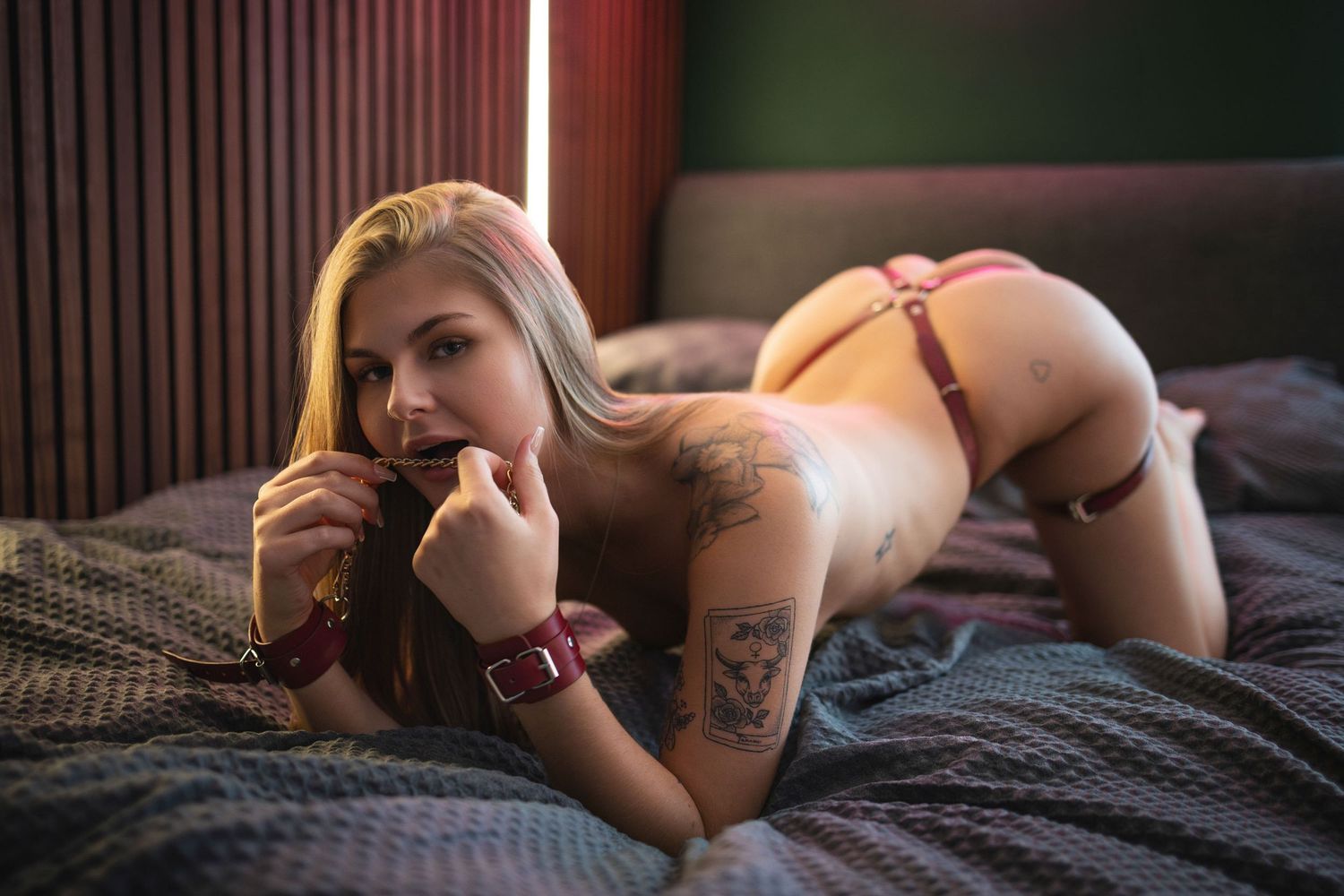
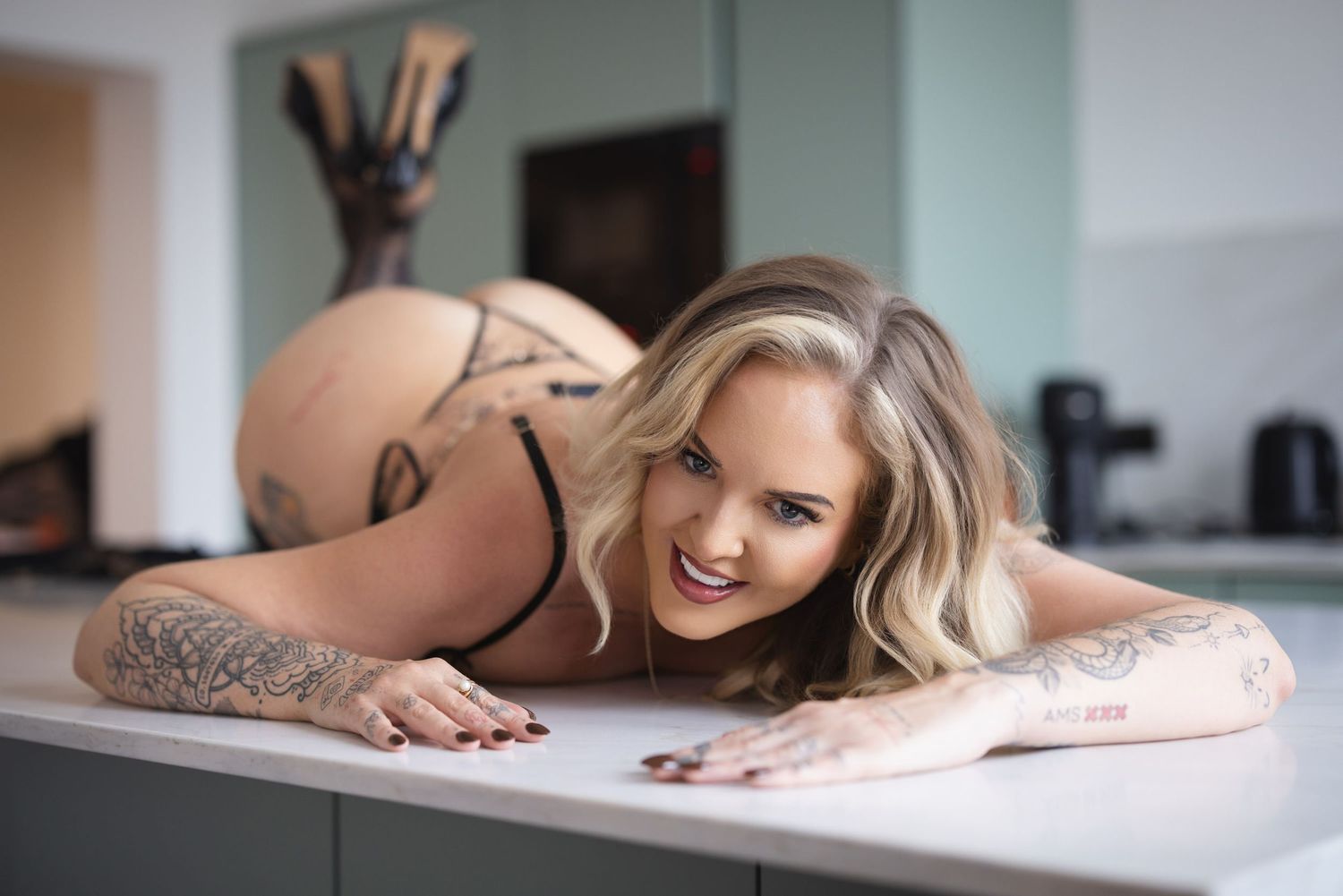
Face down, bum up, that's the way we like to...
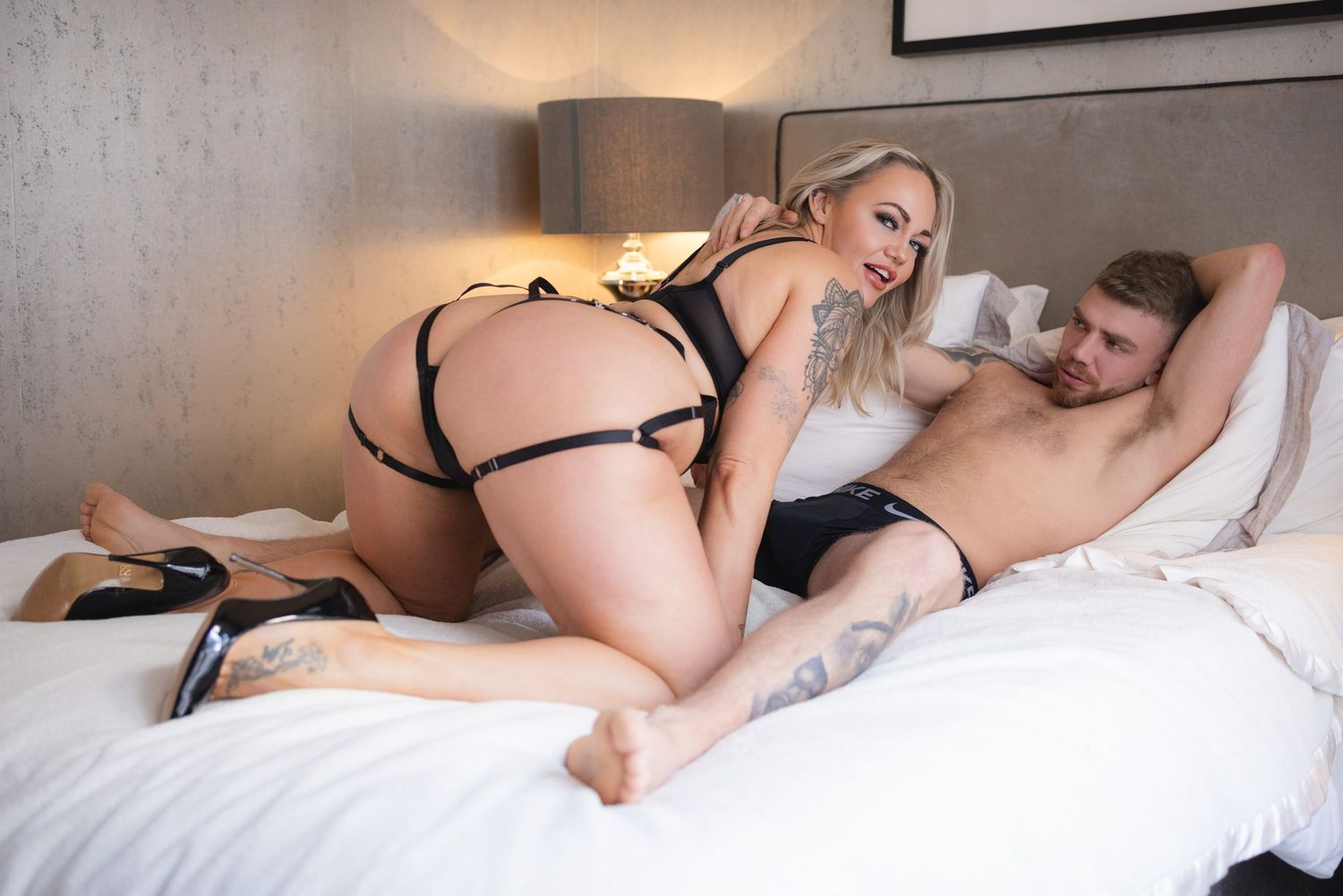
Start on all fours on a bed or another comfortable surface. Lower your chest slightly while keeping your hips raised, but only as far as feels comfortable.
Try resting on your forearms, turning your face towards the camera or looking away. Small changes to the position of your knees and hips can completely alter the shape of the photograph.
Be careful about stretching an arm directly towards the camera. It can occasionally work as an intentional wide-angle effect, but it often makes the nearest hand or arm look disproportionately large and unflattering.
Try keeping your arms closer to your body, or move the camera farther away and zoom in slightly.
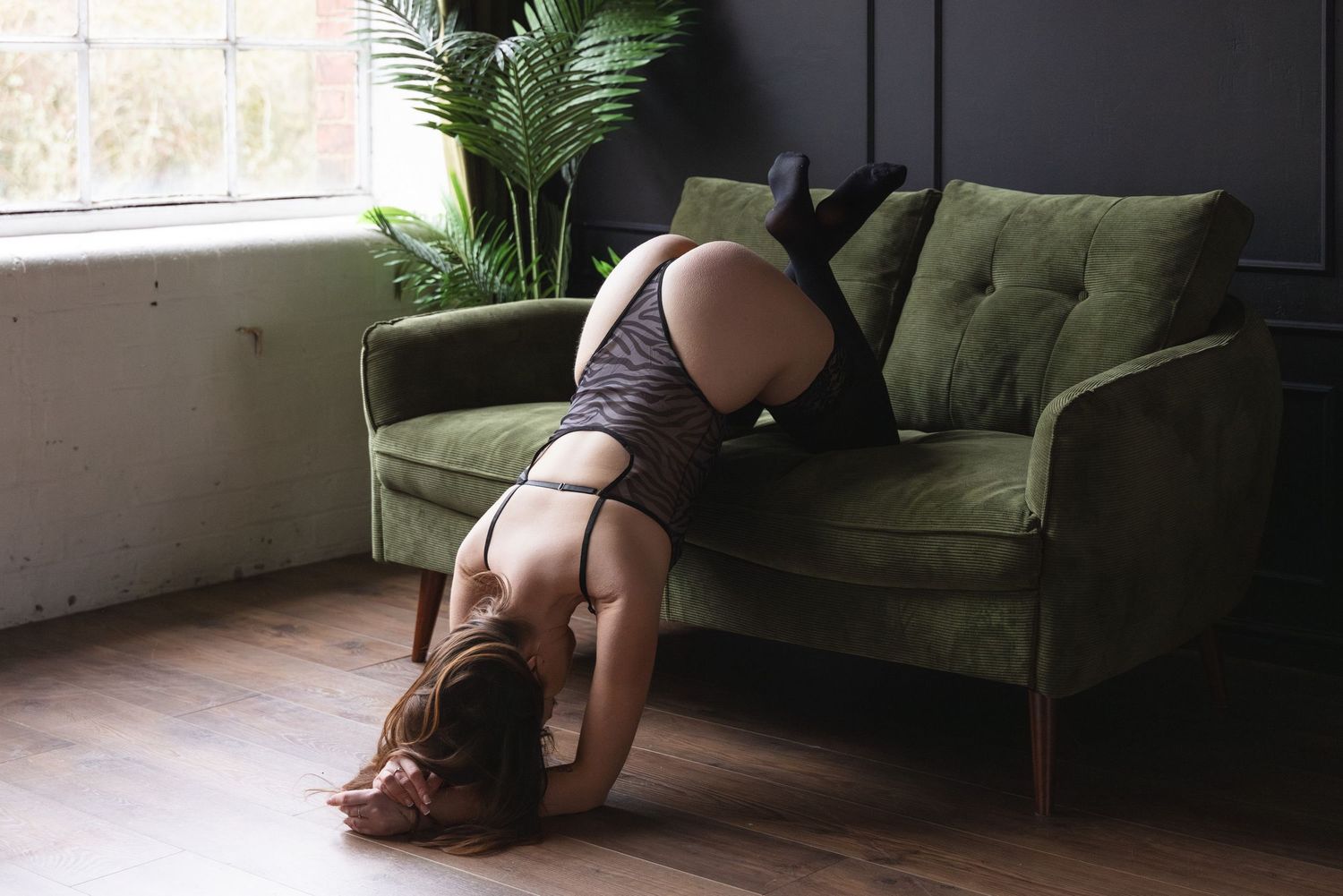
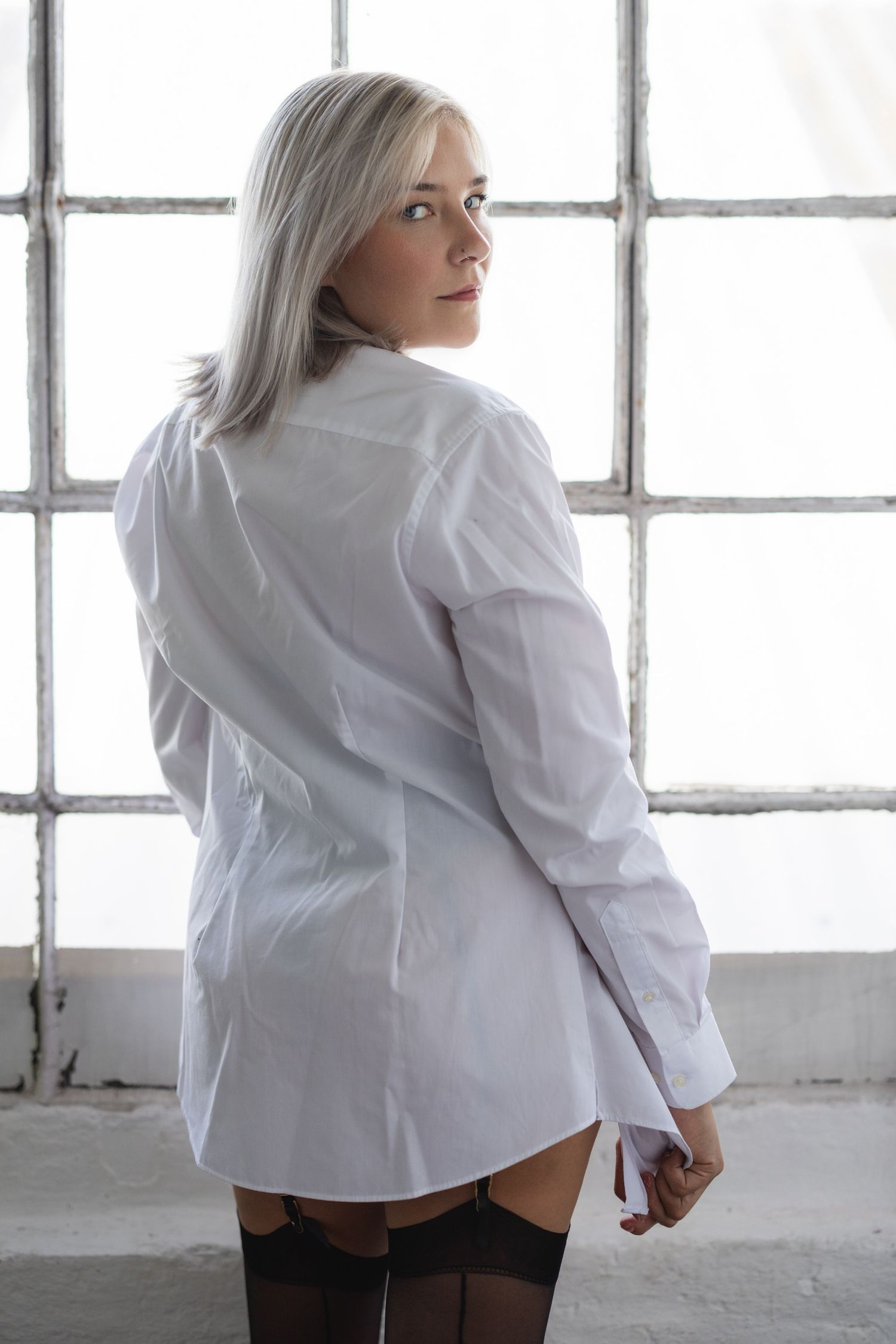
The over-the-shoulder glance
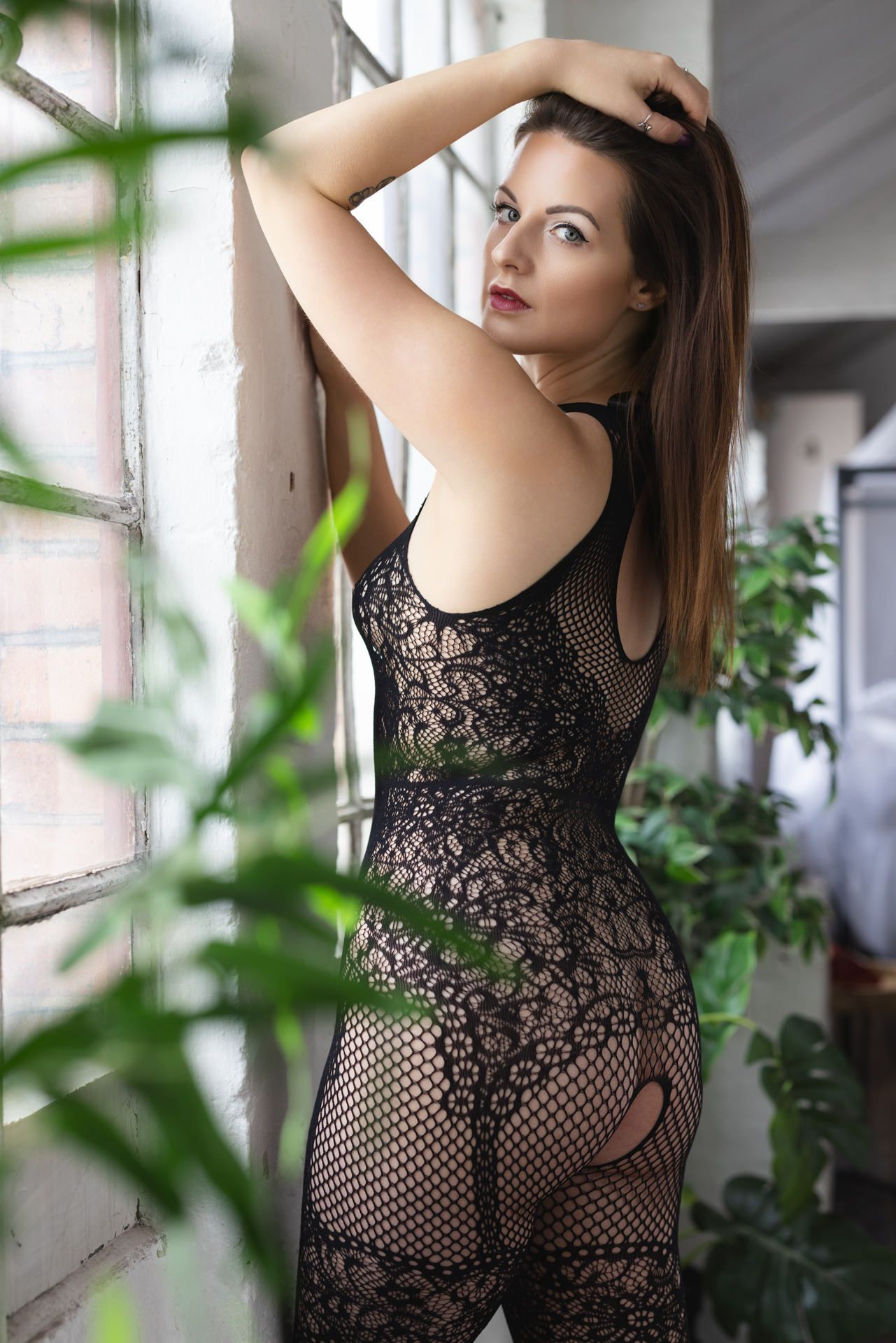
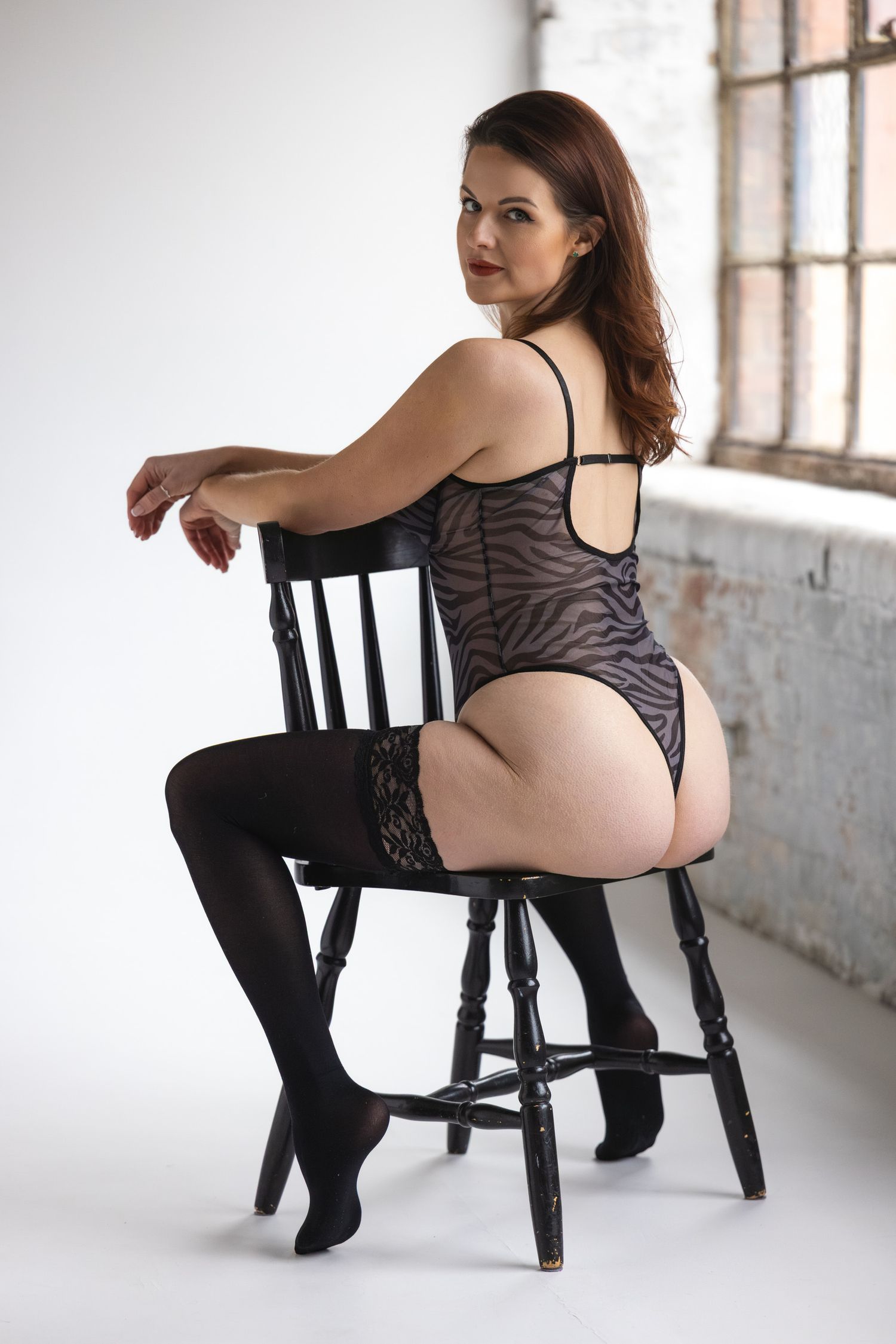
Stand, sit or kneel with your body angled away from the camera, then look back over your shoulder.
You can try this beside a window, sitting on the edge of a bed, kneeling or standing in front of a plain wall.
Do not wrench your neck around trying to stare straight down the lens. Turn your shoulders slightly, move your chin gradually and find a position you can hold without looking uncomfortable.
Take several versions. Look directly at the camera, lower your eyes, turn towards the light or let yourself smile.
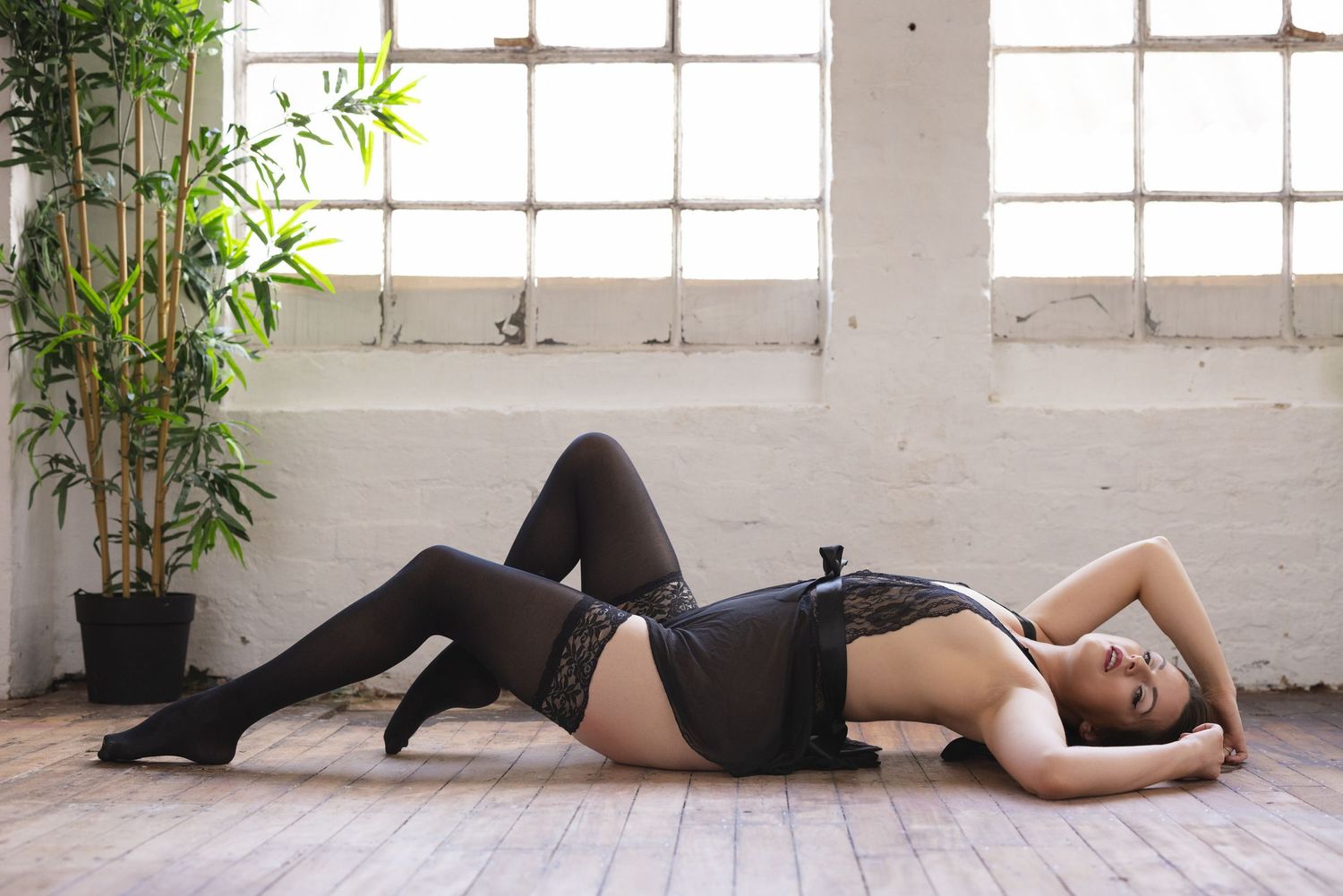
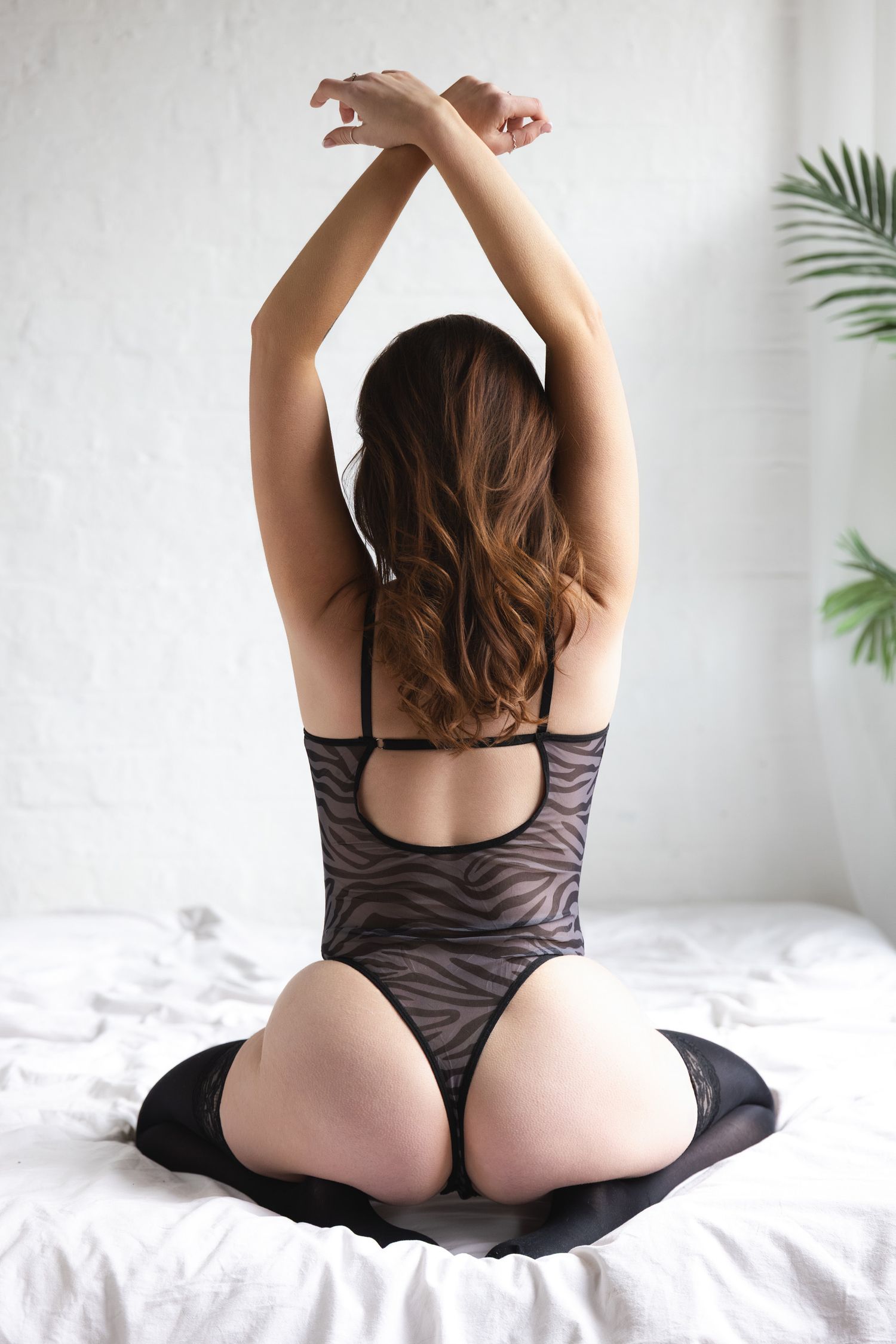
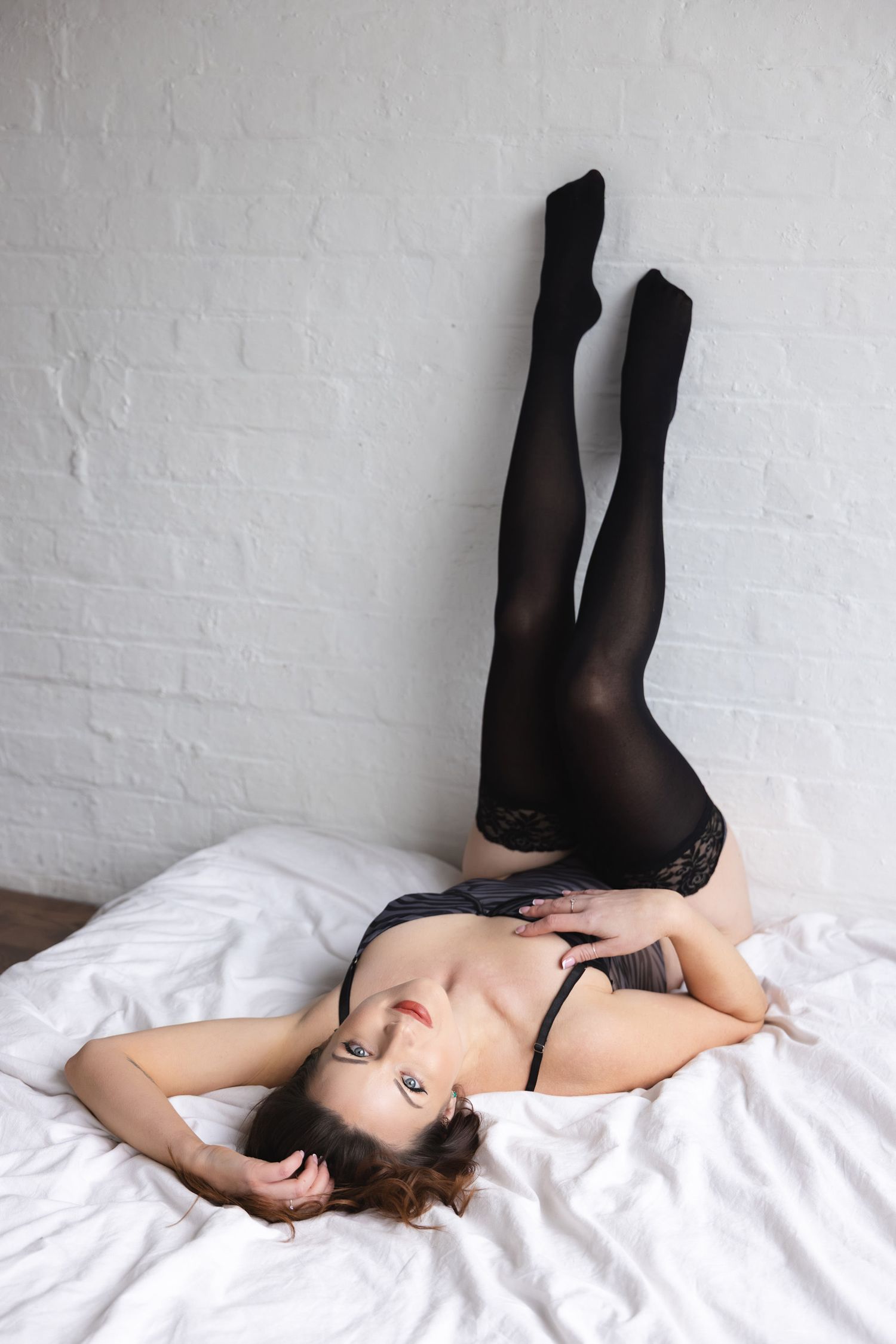
The stretch
Lie down or sit comfortably and stretch your arms above your head or along the line of your body.
Aim to lengthen your shape rather than shove your hands toward the lens. Relax your shoulders, keep your fingers loose and let the movement happen naturally.
From there, adjust your hair, arch gently, turn your face towards the light or bring one arm back down. The movement between those positions often gives you the strongest photographs.
This works well on a bed, sofa or carpeted floor, provided you are comfortable, and the camera can see the full position.
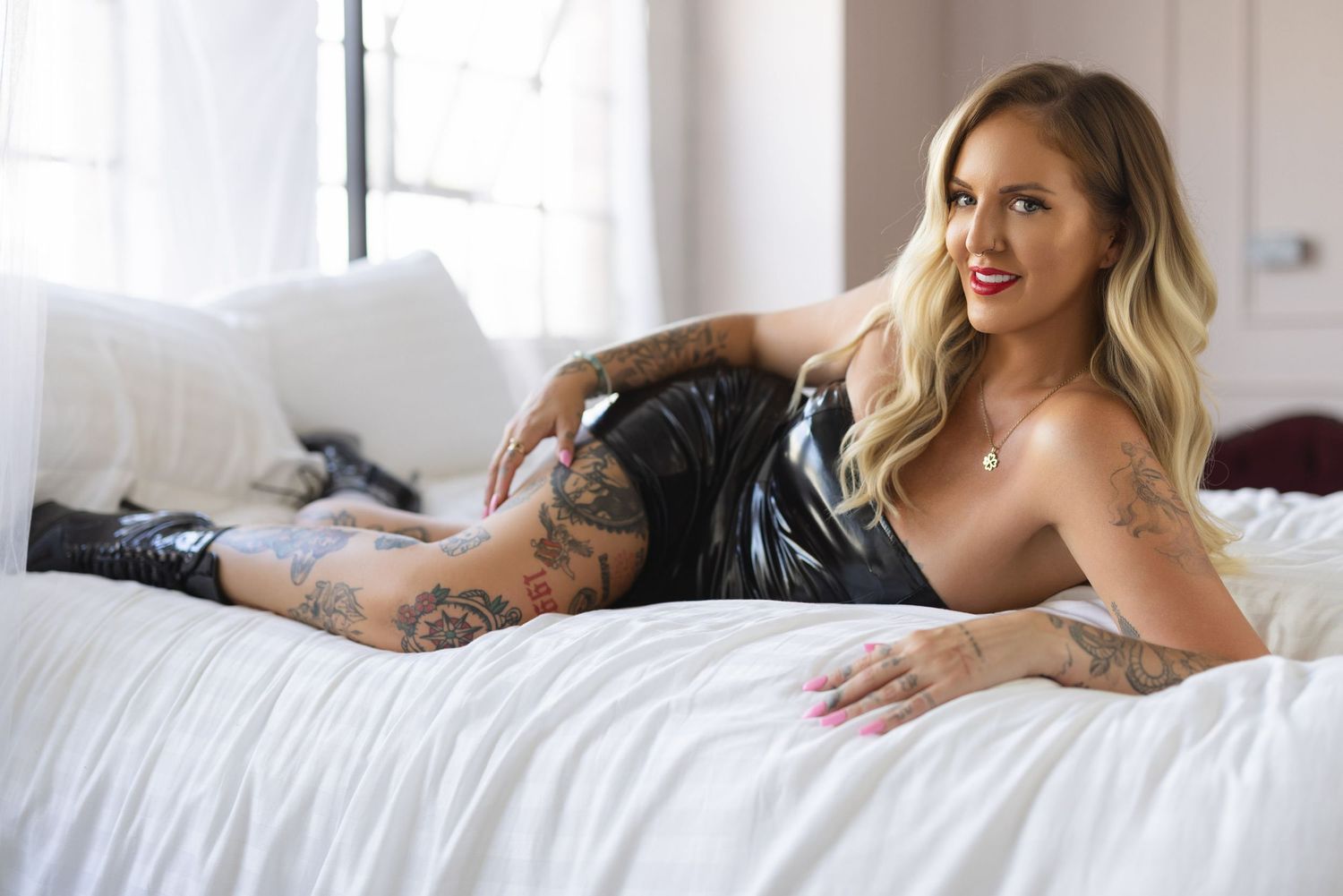
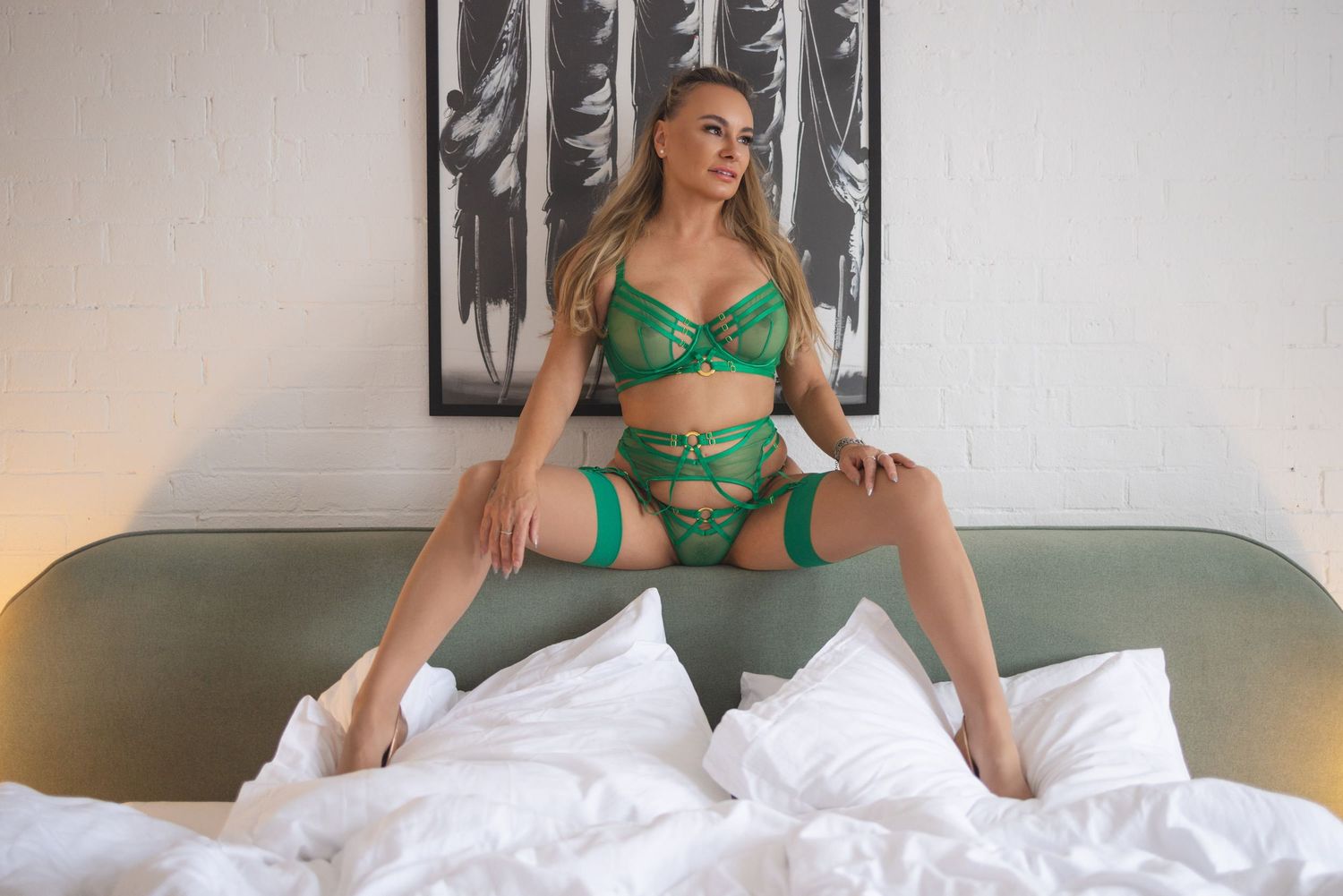
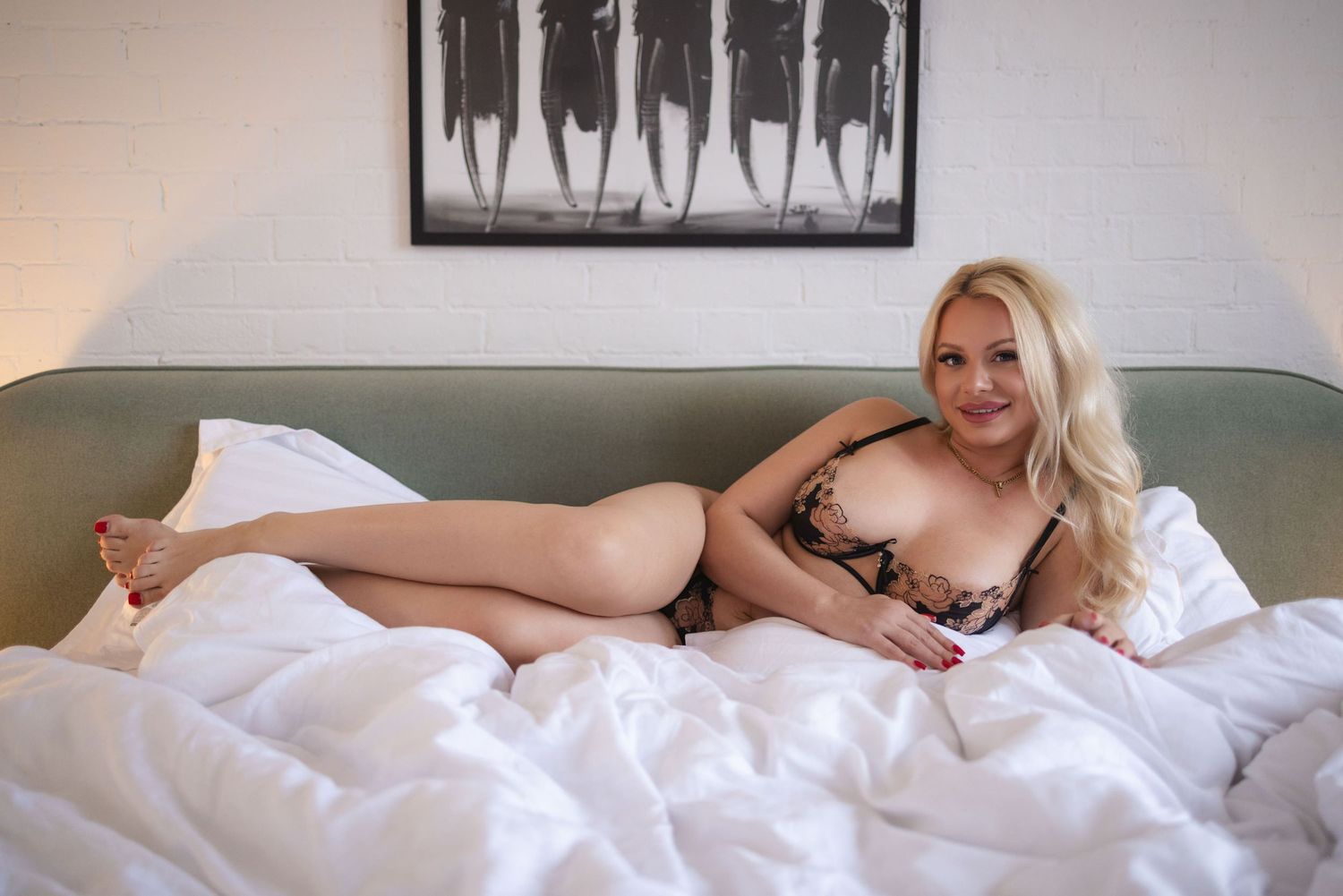
The bedhead
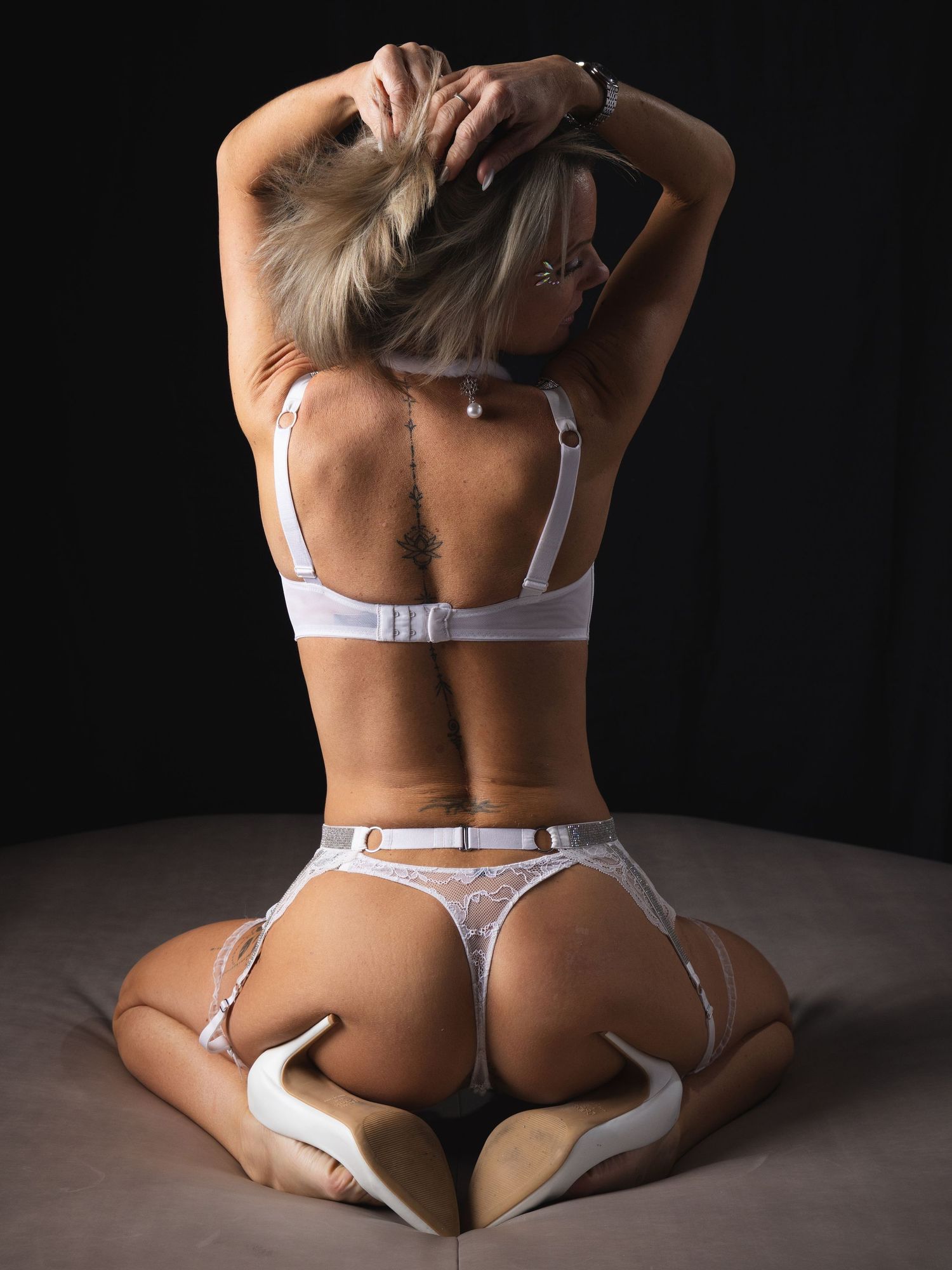
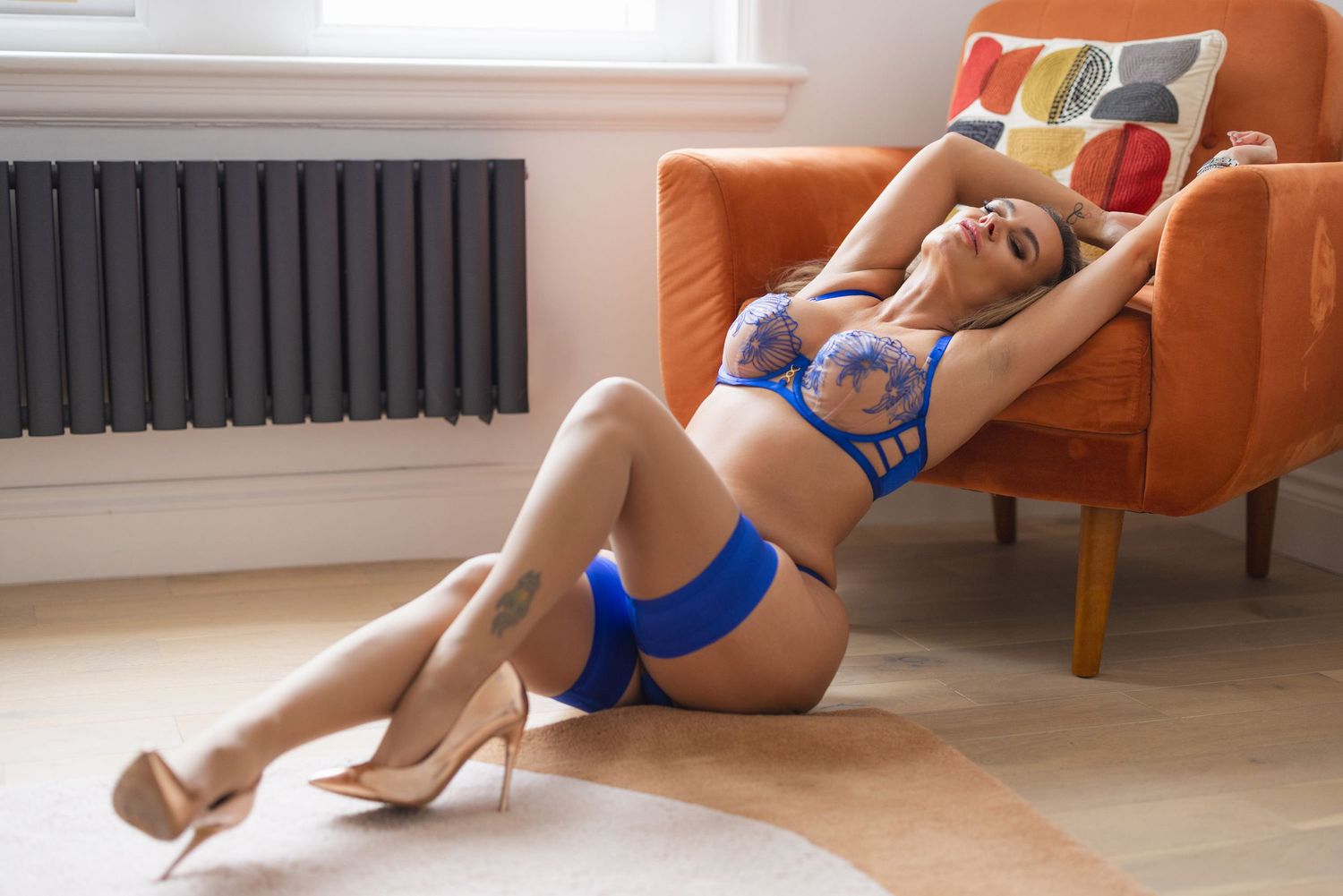
This is more of a sequence than one fixed pose.
Recline on a bed, sofa or chair and move your hands through your hair, adjust a strap, pull a shirt slightly off one shoulder or turn your face away from the camera.
You can lie back, roll onto your side, prop yourself up on one elbow or sit against the headboard.
Do not get hung up on performing a supposedly sexy expression. A relaxed look, half-smile or moment of genuine laughter can work far better than biting your lip because the internet told you to.
How to stop looking stiff in boudoir photos
Take a few slow breaths. Drop your shoulders, loosen your jaw and shake out your hands before starting.
If you are leaning on an arm, hand, knee or hip, avoid dumping all your weight into it. Keep enough lift in your body to remain comfortable.
Move slowly rather than jumping between fixed positions. Run your hands through your hair, adjust your clothing, turn towards the light or shift your weight.
Faffing around can photograph surprisingly well.
You are not trying to find one perfect pose and hold it until your muscles start shaking. You are creating a series of small movements and allowing the camera to catch the strongest moments.
Four couples boudoir poses to try at home
Couples photographs should feel like the two of you, not like you are mechanically recreating somebody else’s picture.
Decide who is taking the photographs, whether you are using a timer or remote and what can happen to the images afterwards.
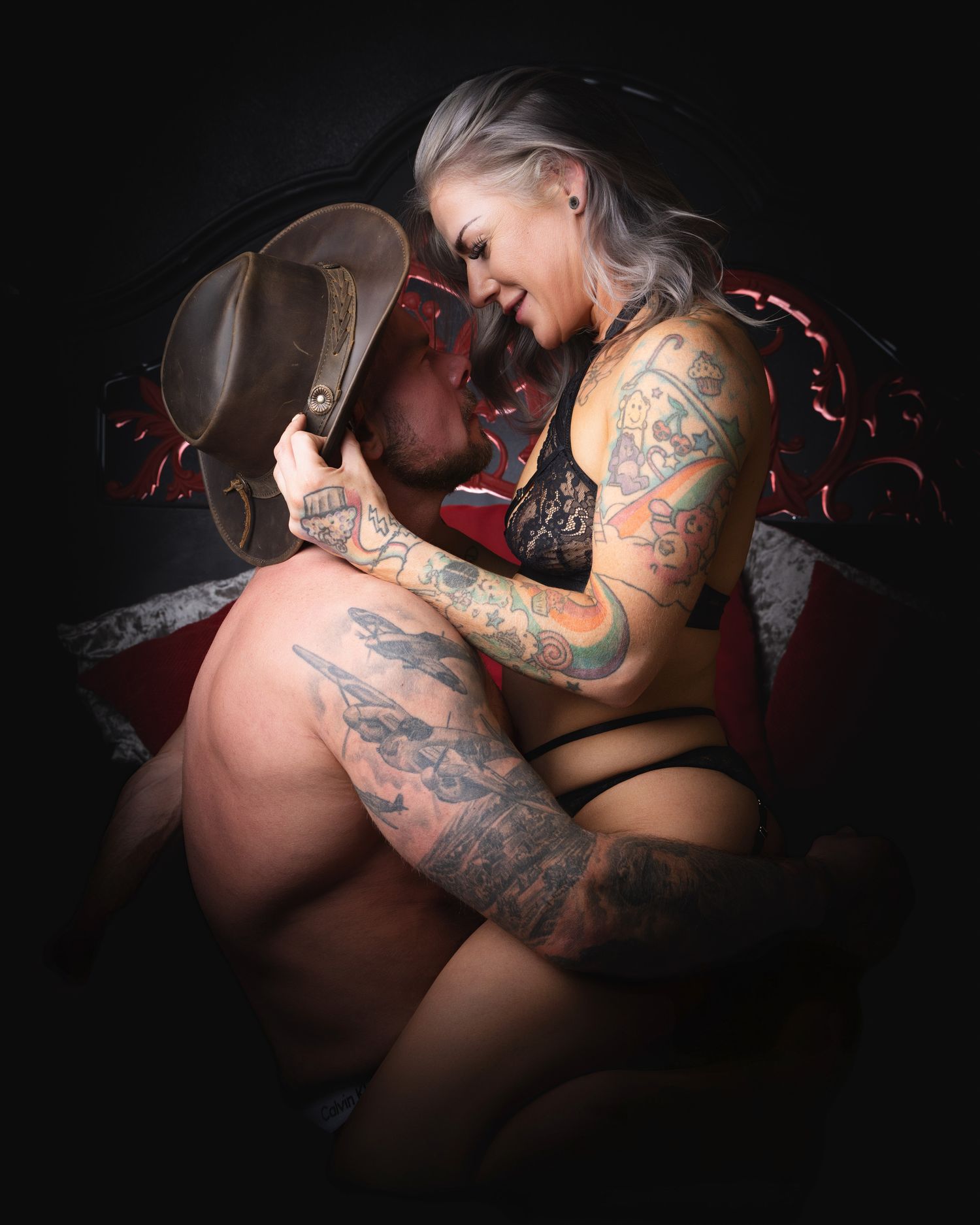
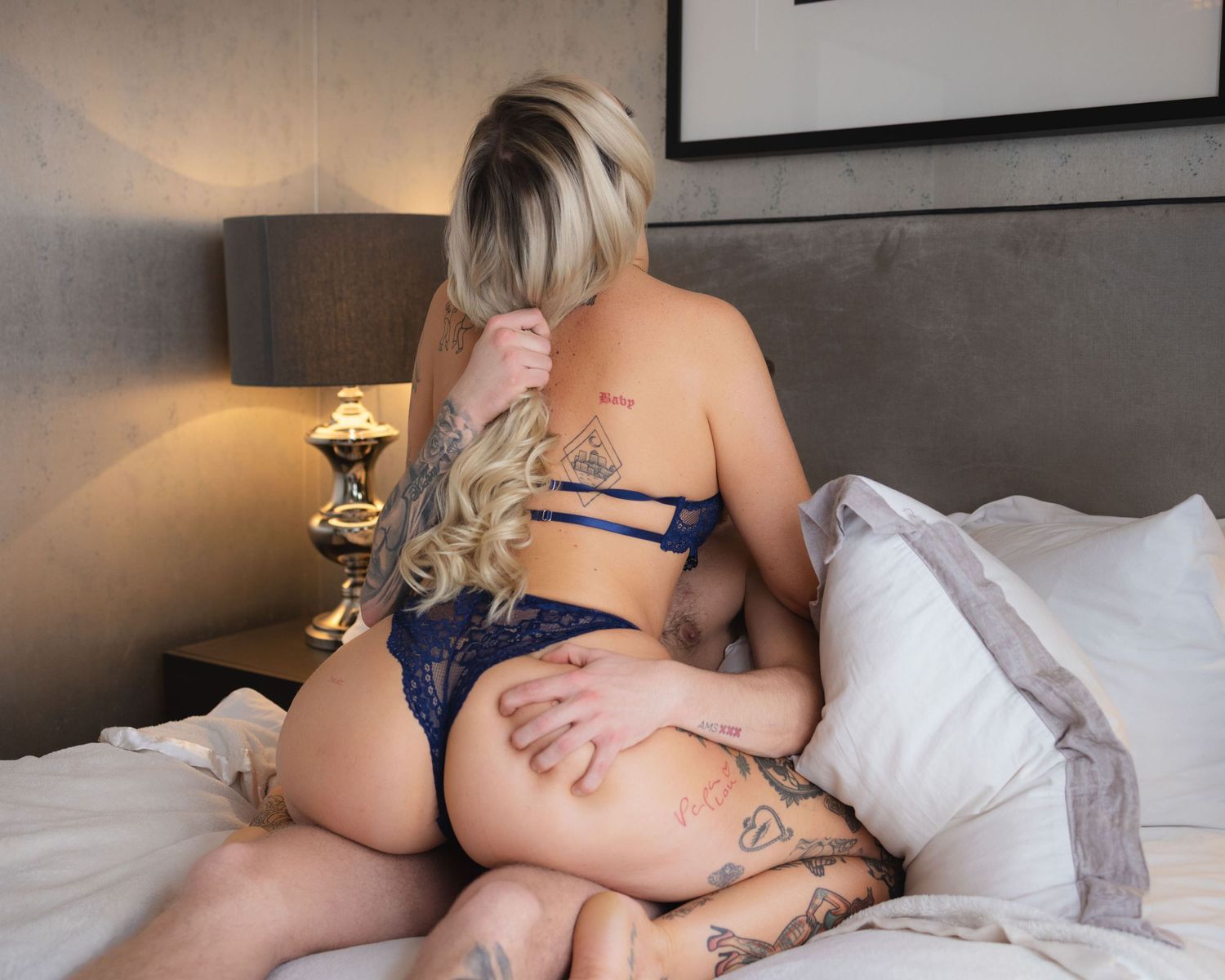
The straddle
One person sits or lies back while the other straddles their lap or thighs.
Start with eye contact and a comfortable position. From there, bring your faces closer, place your hands around each other or turn one person towards the camera.
You can make this romantic and soft or considerably more intense. The position is the same, but the expressions and interaction change the whole photograph.
A bed, sofa or sturdy chair can all work. Check that whatever you use is stable before getting carried away.
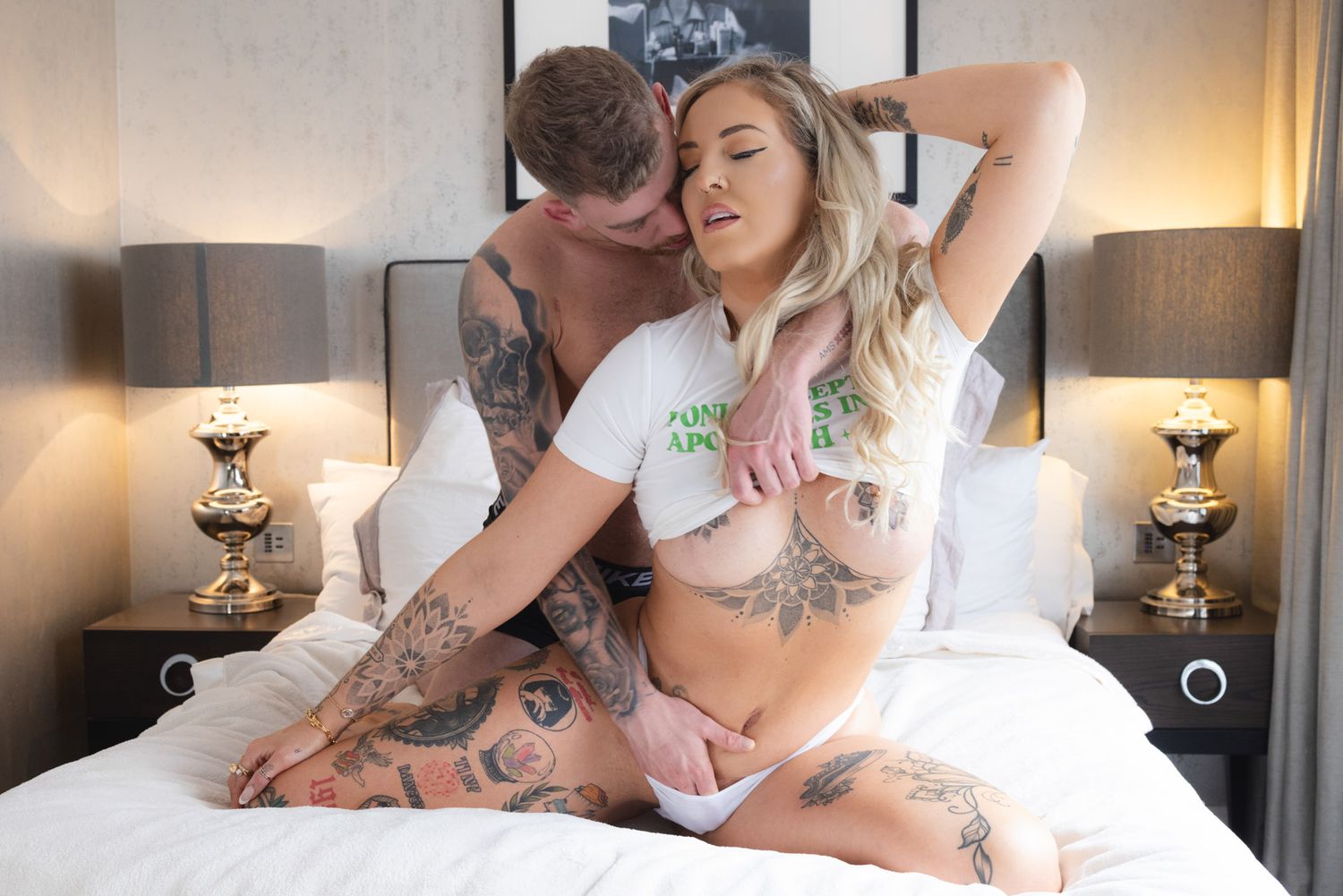
The reach around
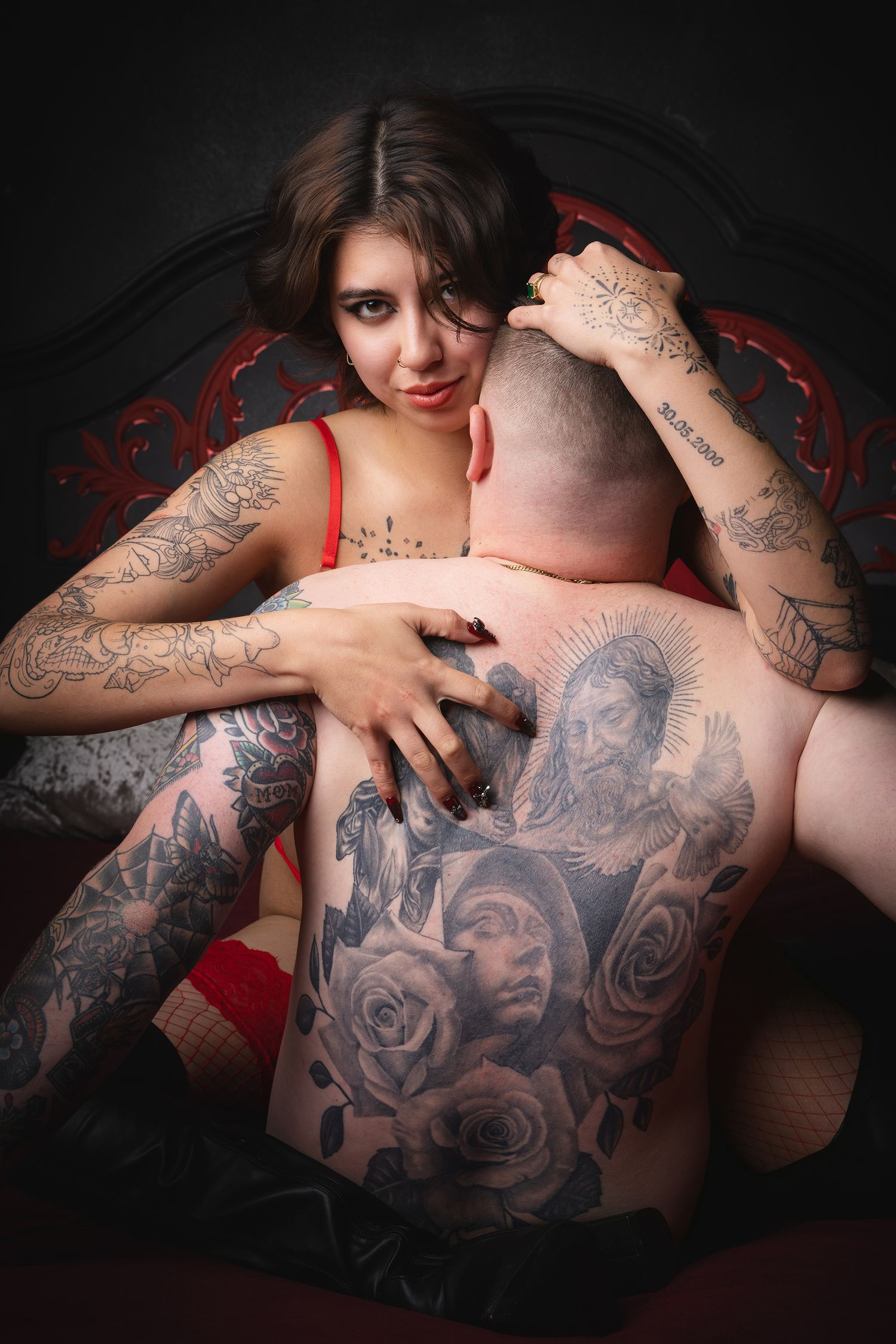
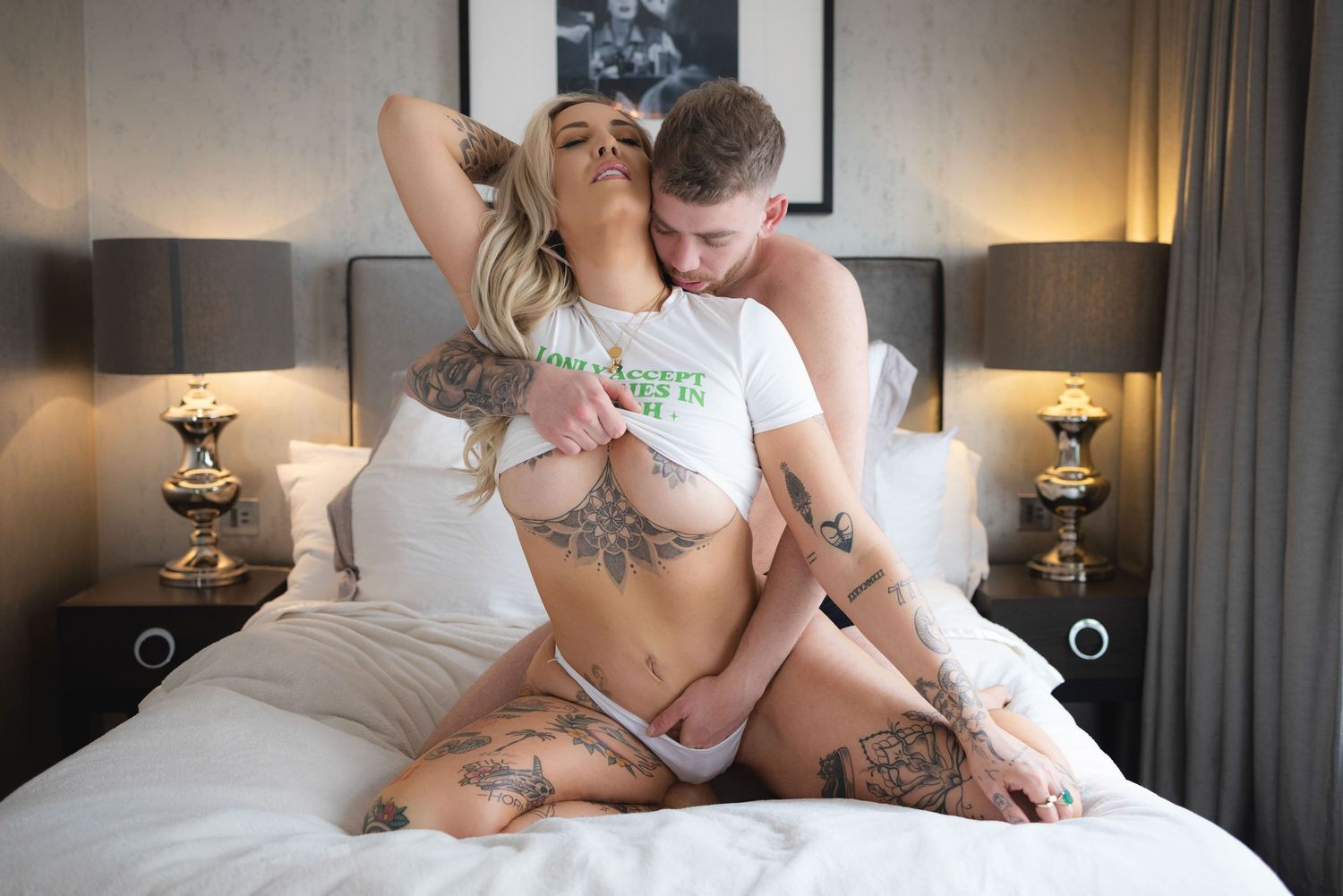
One person stands or sits behind the other and reaches around them.
Hands can rest around the waist, ribs, shoulders or wherever you have both agreed is comfortable. The person in front can lean back, turn their face towards their partner or look directly at the camera.
Keep the hands relaxed. Clenched fingers can make gentle contact look more like somebody is hanging on during turbulence.
Try this seated on the edge of a bed, standing beside a window or sitting together on the floor against a wall.
The almost kiss
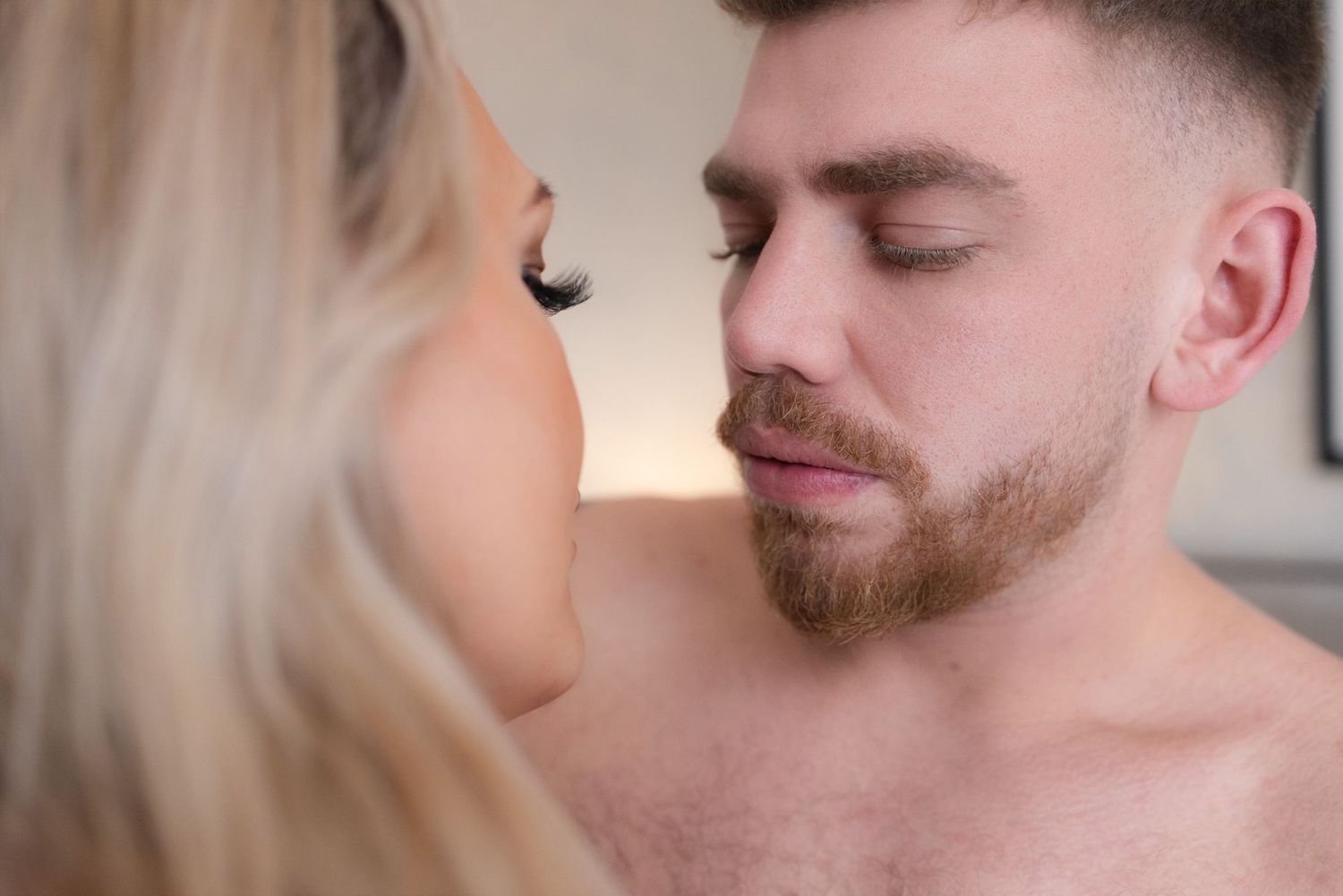
Move close enough that your lips are nearly touching, then pause before the kiss.
That little space creates more tension than pressing your faces together right away. Breathe, relax your mouths and concentrate on each other rather than the camera.
Photograph the approach, the pause, the kiss and the moment immediately afterwards as one natural sequence.
If you are using a phone, video mode can make this much easier because you do not have to time the exact moment.
The prowl
One person lies back while the other moves over them on their hands and knees.
Keep your weight supported rather than collapsing onto your partner. Change your body height, bring your faces closer, or turn toward the camera.
It can look playful, intimate or much more provocative. Just avoid holding yourself like a rigid plank. Movement and interaction are what stop it from feeling staged.
What if a pose does not suit your body or mobility
There is no single pose that works identically for everyone.
If kneeling, arching, lying flat or supporting your weight through your hands is uncomfortable, do not force it. The same basic idea can usually be adapted using a chair, bed, wall or standing position.
Reduce the amount of twisting, keep limbs supported or change the camera angle instead of expecting your body to do all the work.
You can also photograph a smaller part of the pose. A close-up of your face, hands, shoulders or the interaction between a couple can be just as effective as showing the full body.
A pose is never worth causing pain for the sake of a photograph.
Smartphone guide
If you are taking your own photographs, use a timer, remote shutter or video so you can move without having to keep getting up. My guide to taking boudoir photos at home with your phone covers the camera setup in more detail.
How should you photograph these poses at home?
Keep the setup simple.
Position your phone or camera somewhere stable and take a quick test photograph before undressing. Check the angle, background and what is actually visible around the edges of the frame.
Avoid placing the camera extremely close to your body unless you deliberately want the distortion. Moving it further away and zooming in slightly will usually produce more natural proportions.
If you are photographing yourself, use:
- A timer or remote shutter
- Burst mode, if your phone supports it
- Video, followed by screenshots from the strongest moments
- Something stable to hold the phone at a useful height
Lighting will make just as much difference as the pose. My guide to boudoir photography lighting at home explains how to use windows, lamps, ring lights and a simple softbox.
Would you rather let somebody else handle the camera?
Trying boudoir photography at home can be great fun, whether you are experimenting alone or taking photographs with your partner.
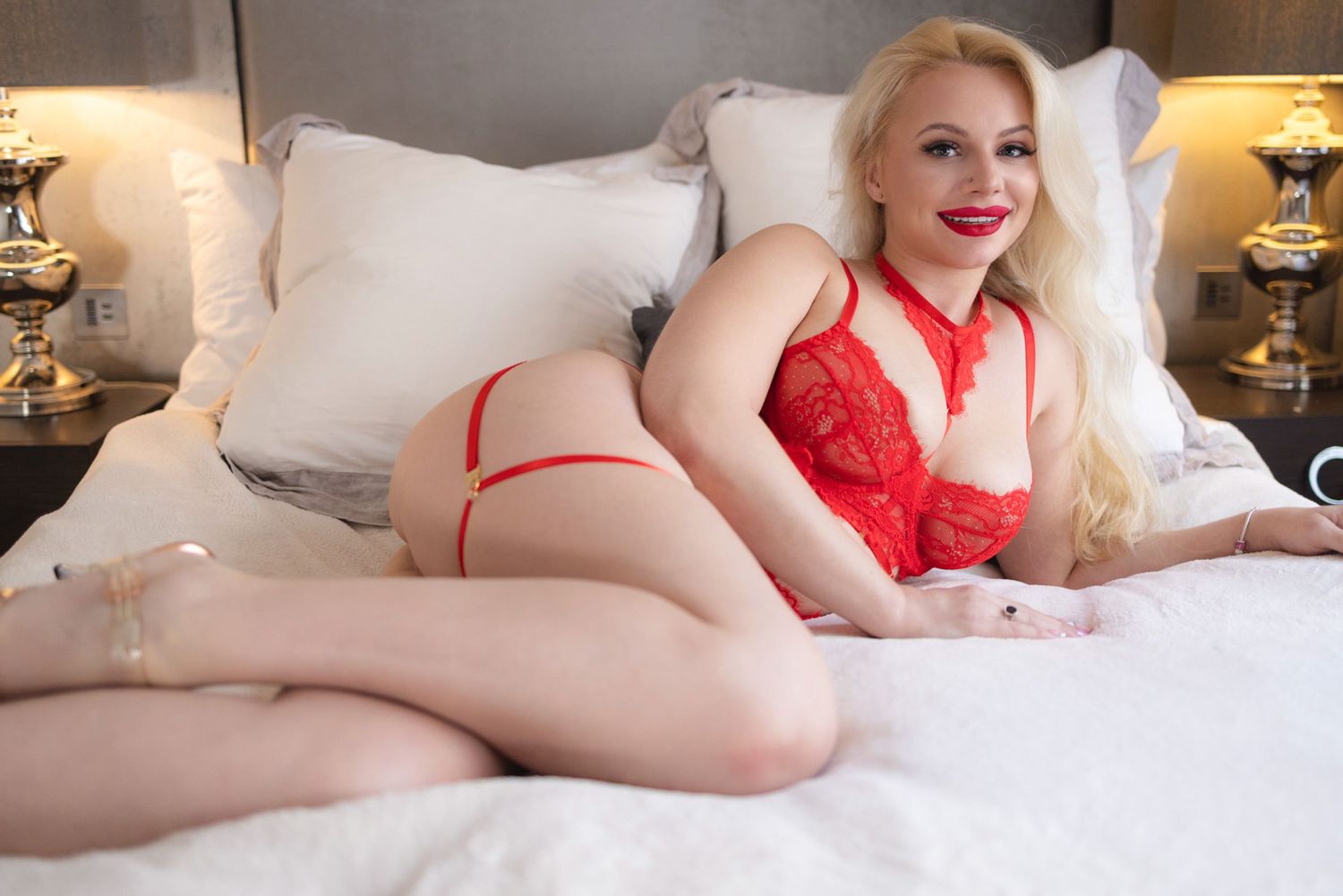
If you would rather concentrate on the experience while somebody else handles the posing, lighting and camera, have a look through my boudoir, dudeoir and couples photography portfolio.
You can also view the current boudoir packages and prices or tell me about the shoot you are considering.
You do not need modelling experience or a completed list of poses before getting in touch.
Boudoir posing FAQs
Do I need to practise posing beforehand?
No. You will learn far more by setting up the camera and experimenting than by staring at yourself in a mirror trying to perfect one expression.
Expect some rubbish photographs. Everyone takes them. Delete them and keep going.
What should I do with my hands?
Keep them relaxed and give them something natural to do. Run them through your hair, adjust your clothing, rest them lightly on your body or interact with your partner.
Avoid pressing your fingers hard into your skin unless that is an intentional part of the photograph.
Do the same poses work for men and women?
The same basic positions can work for anyone. Styling, posture, expression, camera angle, and lighting change how the pose feels.
Use poses as starting points, not fixed instructions.
What if a pose feels uncomfortable?
Stop and change it. Add support, use a chair, alter the camera angle or leave the pose out completely.
Looking physically uncomfortable rarely produces a good photograph anyway.
What can the photographs be used for?
Images can be created for your website, social media, event listings, press coverage, printed materials and wider venue promotion. We’ll discuss the intended uses before the shoot so the correct images and formats can be planned.
How much does adult venue photography cost?
Half-day venue photography costs £499 for up to four hours. Full-day photography costs £799 for up to eight hours.
Both options include pre-shoot planning, professional photography, editing and delivery through a private online gallery. Mileage and necessary travel costs may apply depending on the venue’s location and will be confirmed before booking.
If the shoot requires additional production, specialist access or something outside these packages, I’ll provide a clear tailored quote before you commit.
About Lee
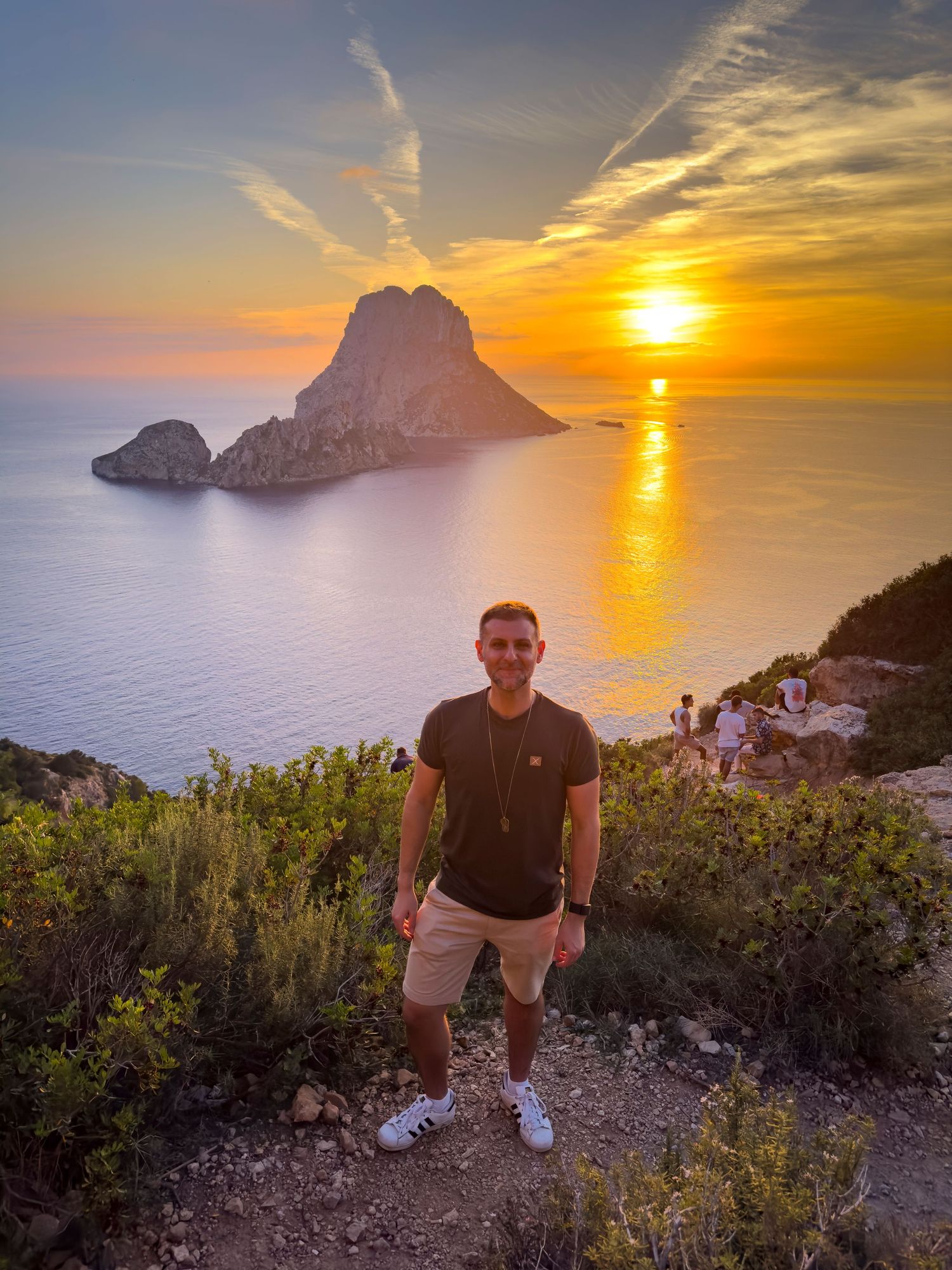
I’m Lee, the photographer behind Laid Bare Productions. I photograph fully guided boudoir, dudeoir and couples sessions across the UK, working with people who usually have little or no modelling experience.